


Imperial Dental Specialist Centre
Better sleep begins with a better understanding of your airway.
A multidisciplinary dental sleep medicine programme for snoring, obstructive sleep apnoea risk, bruxism, TMJ-related symptoms and airway-focused dental assessment.
Screening is not the same as medical diagnosis. Where obstructive sleep apnoea is suspected, our pathway is designed to coordinate appropriate sleep testing and medical assessment before treatment selection.
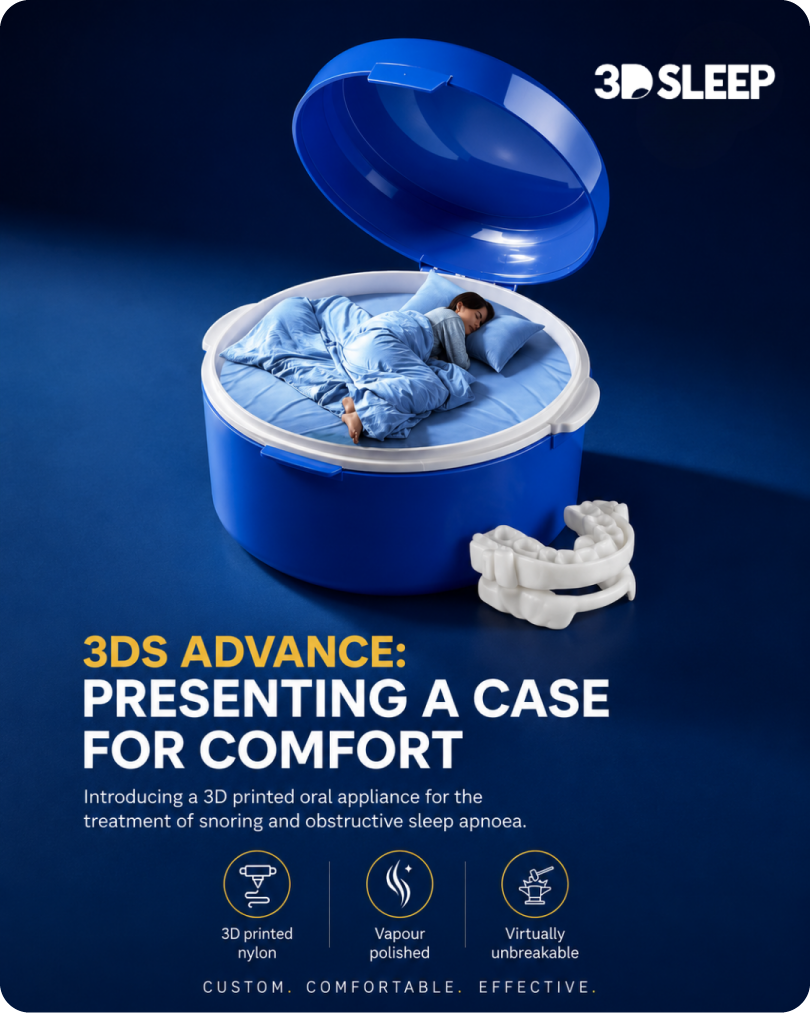
Dental sleep medicine, not simply an appliance.
Screening, assessment, treatment selection, fitting, titration and long-term follow-up in one structured pathway.
Sleep, airway, jaw and tooth-wear concerns can overlap.
Imperial’s approach is designed to look beyond a single symptom. Snoring, sleep-disordered breathing, bruxism, tooth wear and TMJ symptoms may coexist, so patients benefit from structured screening and appropriate referral rather than an appliance-only approach.
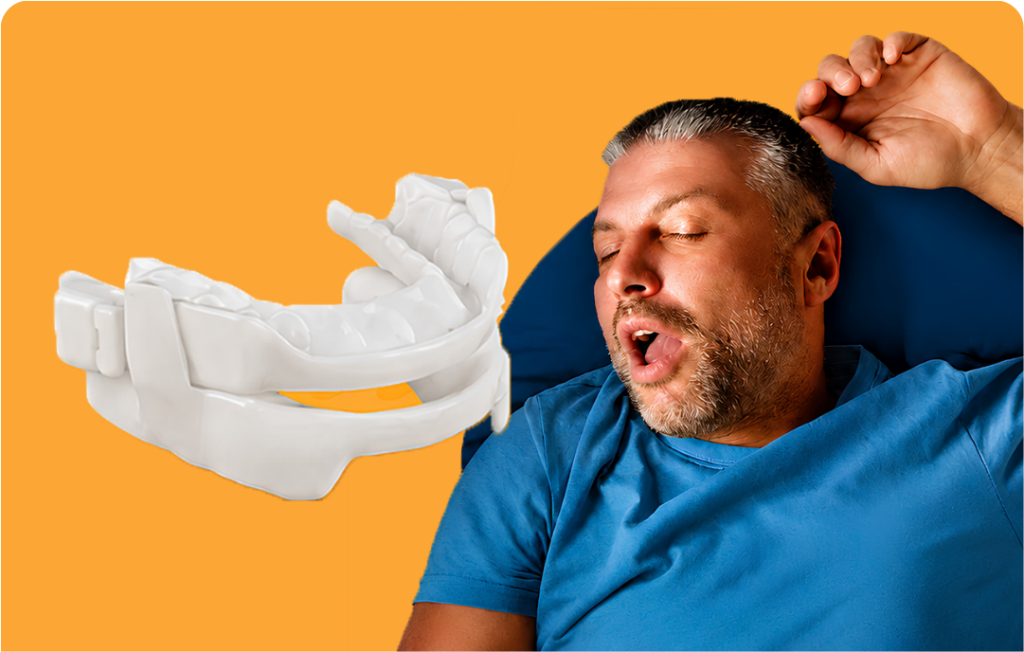
When snoring disturbs sleep
Snoring is caused by vibration of tissues in the tongue, mouth, throat or nasal passages during breathing. Snoring itself is not always dangerous, but it can be a sign that deserves screening when other sleep-apnoea risk factors are present.

Repeated airway obstruction during sleep
OSA occurs when the airway becomes partially or completely blocked during sleep, interrupting airflow. Untreated OSA is associated with important health and safety risks and should be managed within an appropriate medical–dental framework.
Grinding, clenching and protection
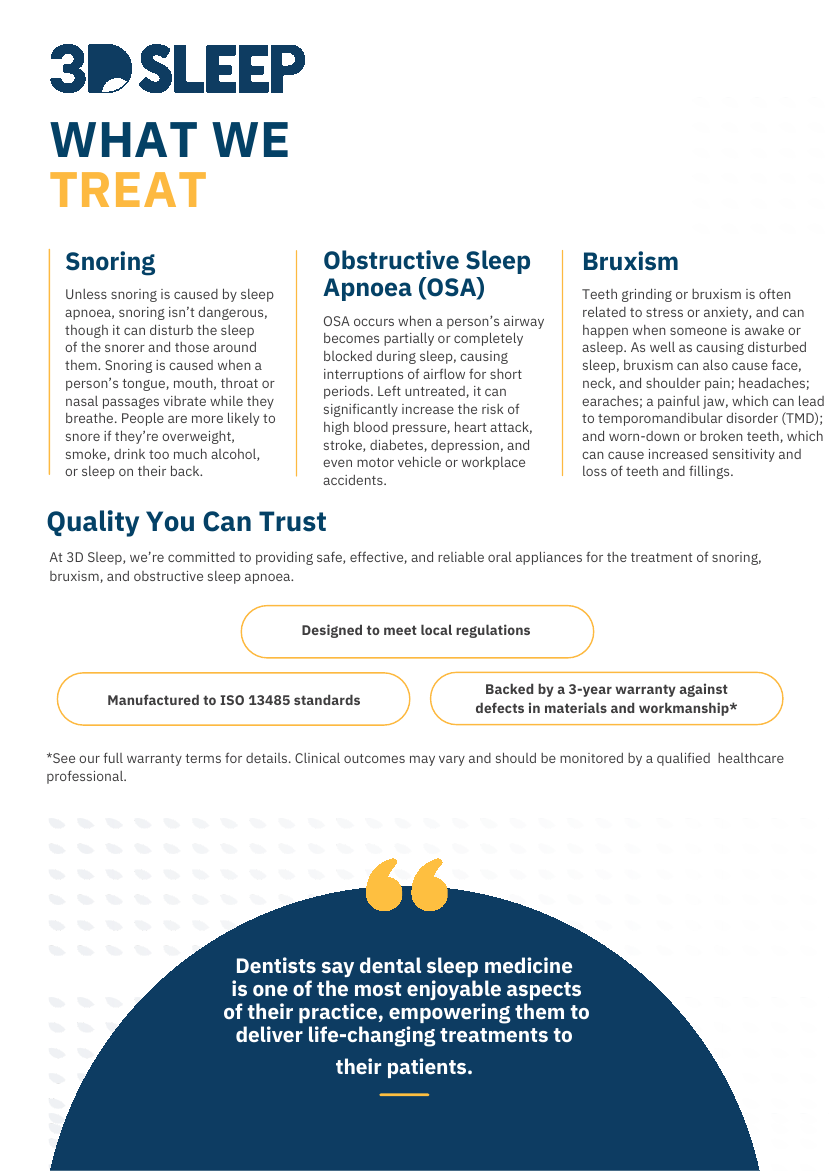
Sleep bruxism can contribute to worn or fractured teeth and restorations, headaches, facial or jaw pain, and TMJ symptoms. Significant sleep bruxism may also be a reason to screen for sleep-disordered breathing before prescribing a conventional night guard.
Important: Snoring and bruxism do not automatically mean a patient has obstructive sleep apnoea. Our aim is to identify risk, assess dental and airway factors, and coordinate further investigation when needed.
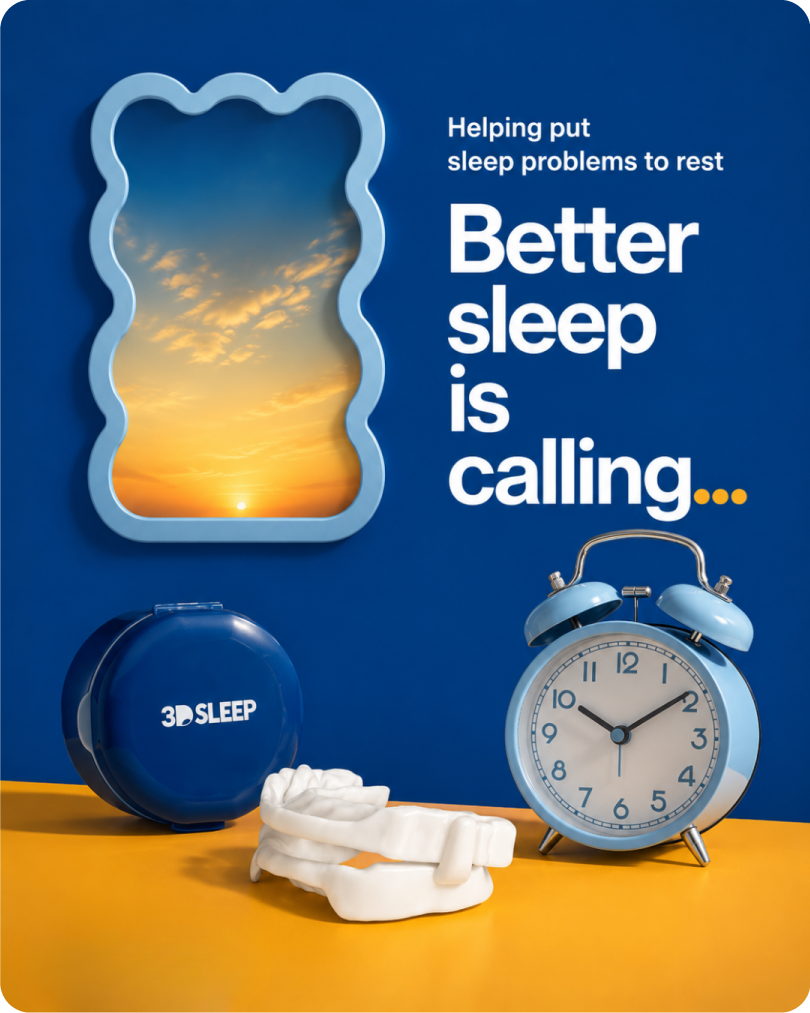
Dentists are uniquely positioned to notice signs that can be missed elsewhere.
Dental professionals regularly see the teeth, jaw relationship, tongue space, occlusion, TMJ, oral tissues and patterns of tooth wear. These findings can help identify patients who may benefit from sleep screening or a multidisciplinary airway assessment.
- Loud or habitual snoring
- Daytime sleepiness or poor-quality sleep
- Bruxism or significant tooth wear
- Retrusive mandible / skeletal Class II pattern
- Repeated fractured restorations
- Witnessed breathing pauses
- Morning headaches
- TMJ or morning jaw-muscle symptoms
- Narrow airway or mouth-breathing concerns
- Other medical risk factors requiring referral
From screening to verified follow-up.
Our proposed Sleep & Airway Centre model separates dental screening from medical diagnosis and uses multidisciplinary decision-making to match each patient with the most appropriate next step.
Screen
Sleep questionnaire, symptoms, medical history, dental findings and airway-related risk indicators.
Investigate
Where suspicion is moderate or high, coordinate appropriate sleep testing and/or sleep physician assessment.
Assess
Dental, occlusal, TMJ, intraoral, airway and orthodontic assessment where relevant.
Treat
CPAP/medical care, oral appliance therapy, orthodontic input, ENT referral or other options according to diagnosis and suitability.
Verify & Maintain
Appliance titration, symptom review, dental/TMJ monitoring, objective follow-up sleep testing where indicated, and long-term recall.
Custom-made digital oral appliances.
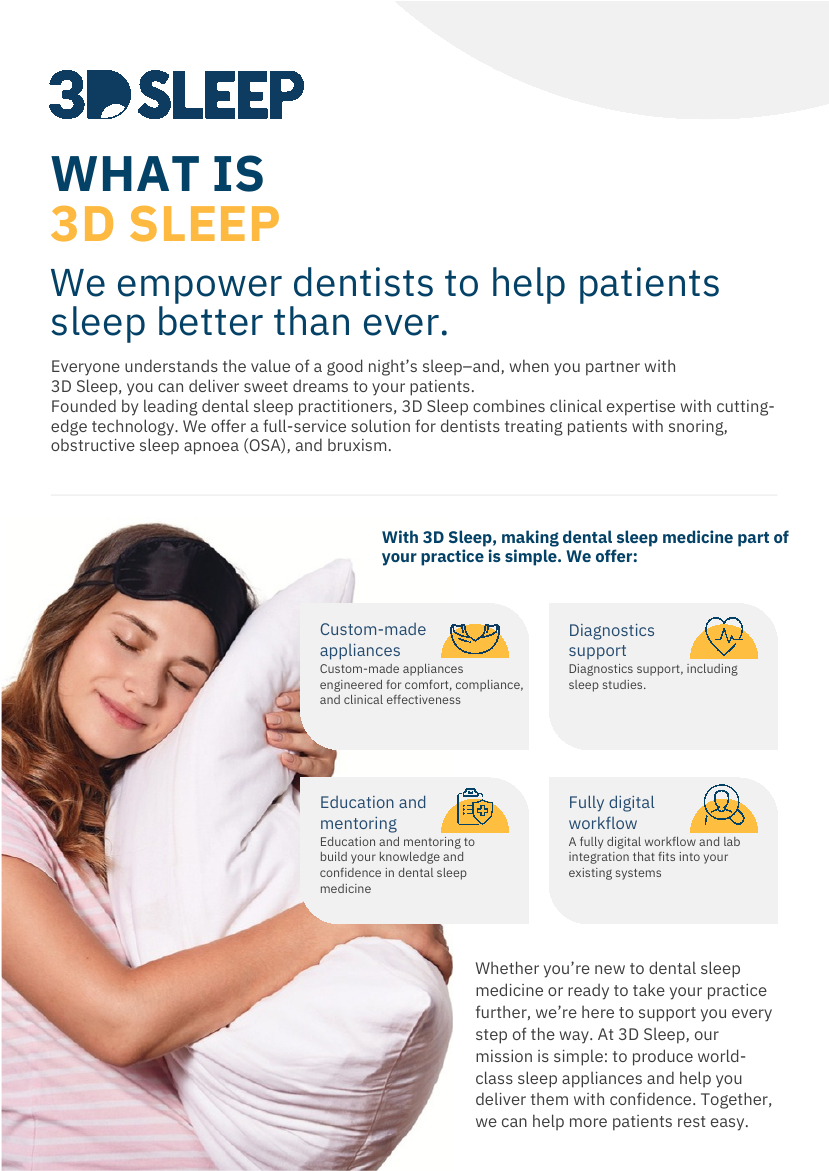
3D Sleep provides custom-made appliances, digital workflow and laboratory integration, education/mentoring and diagnostic support. At Imperial, the appliance is one component of a broader clinical pathway rather than the identity of the Sleep Centre.
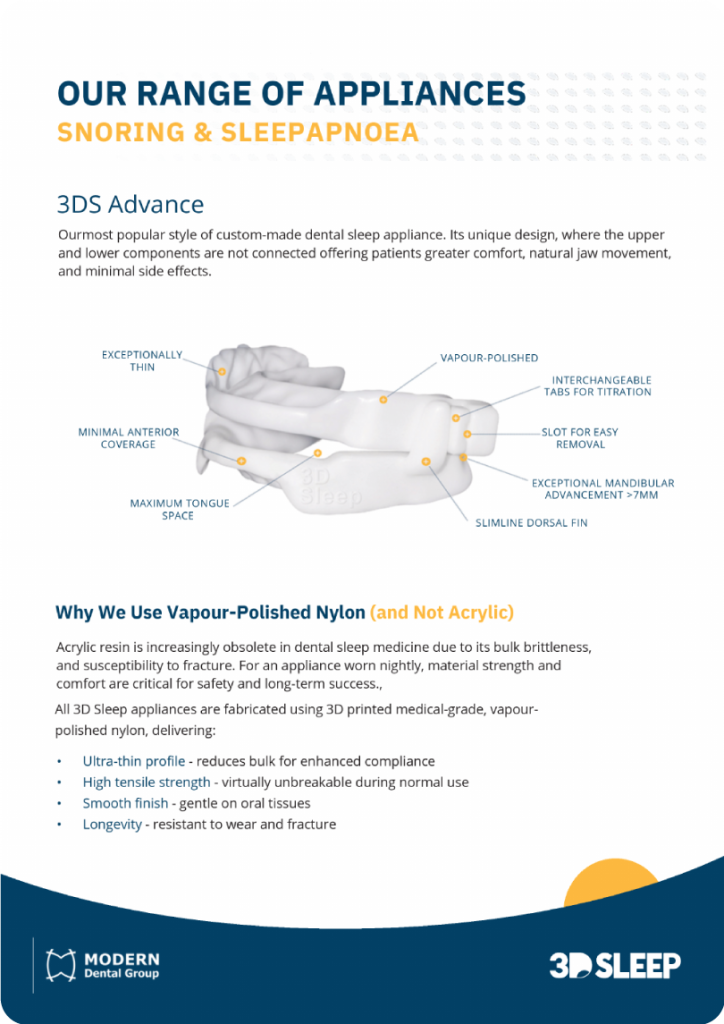
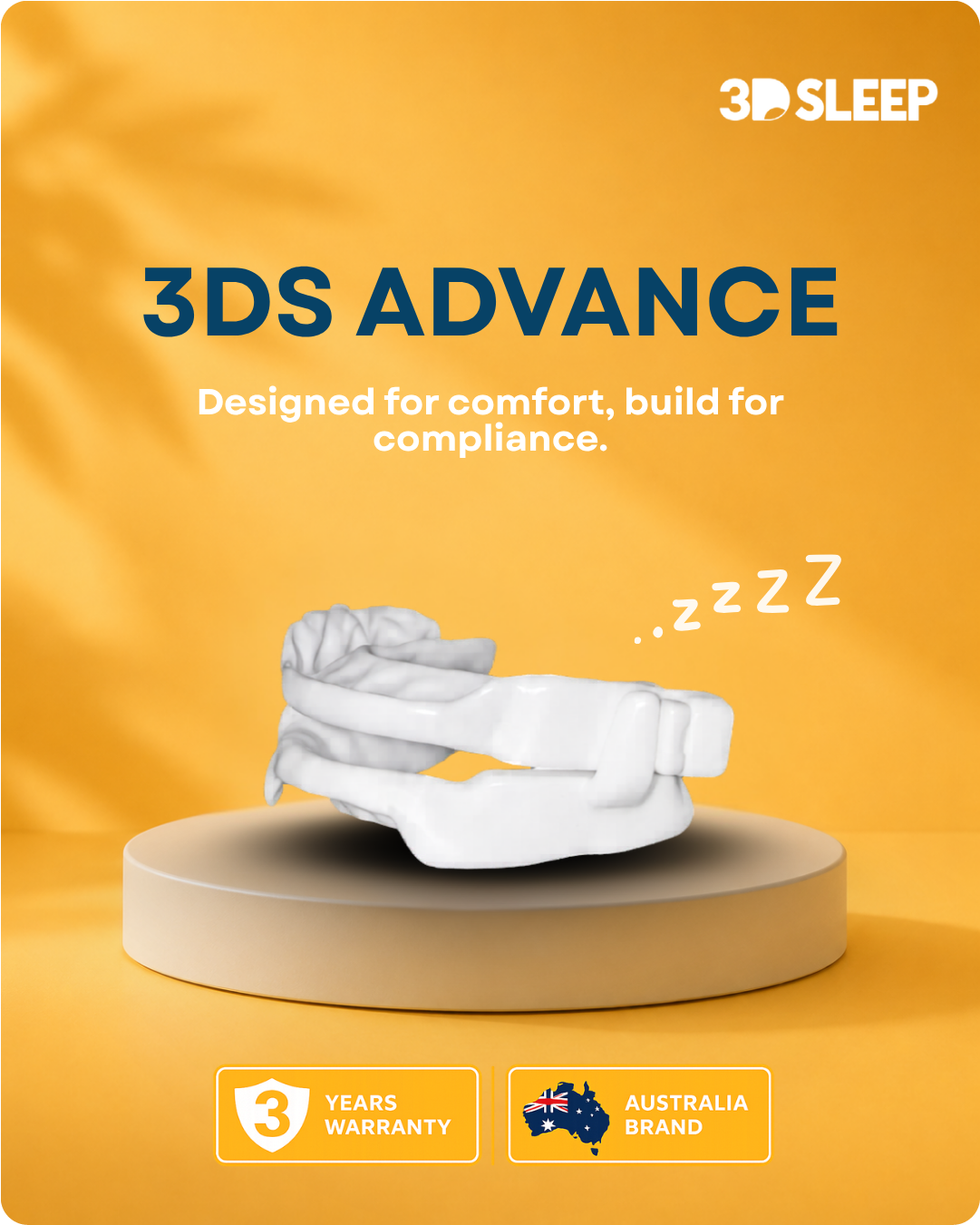
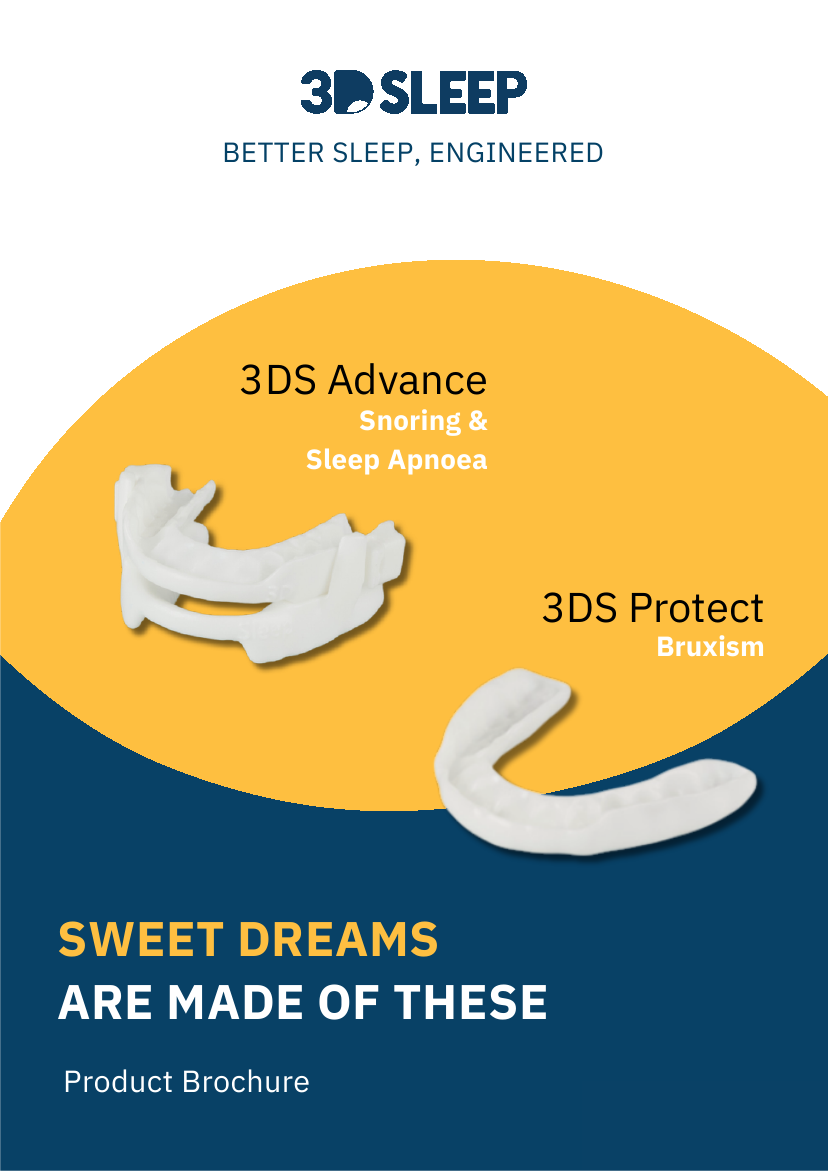
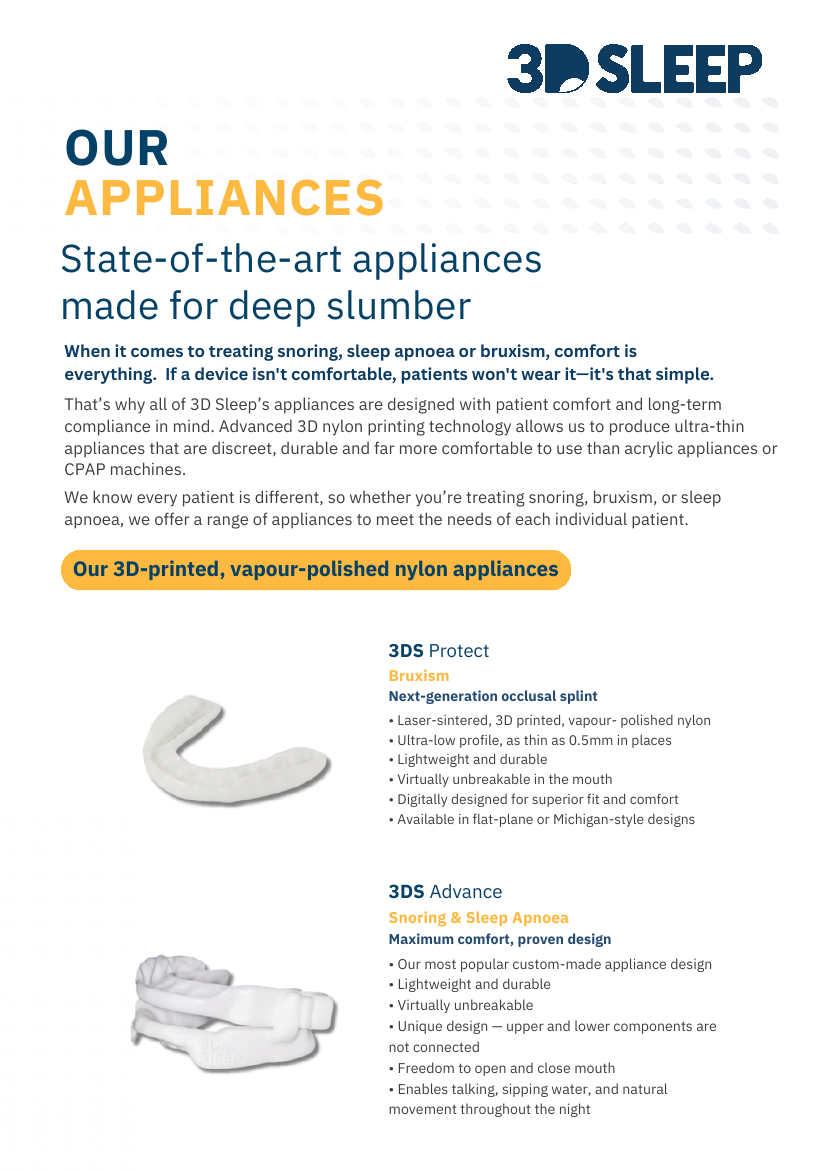
3DS Advance
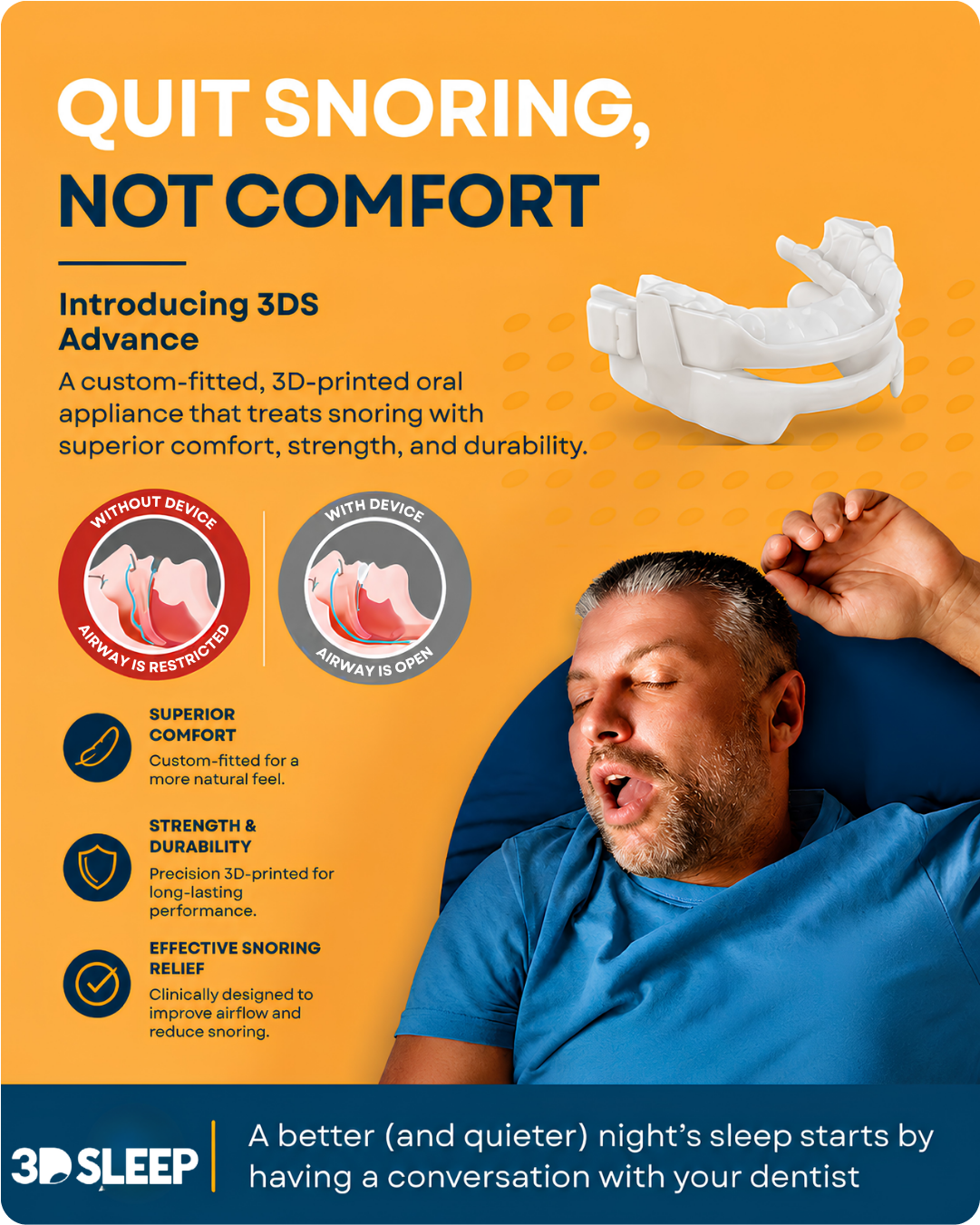
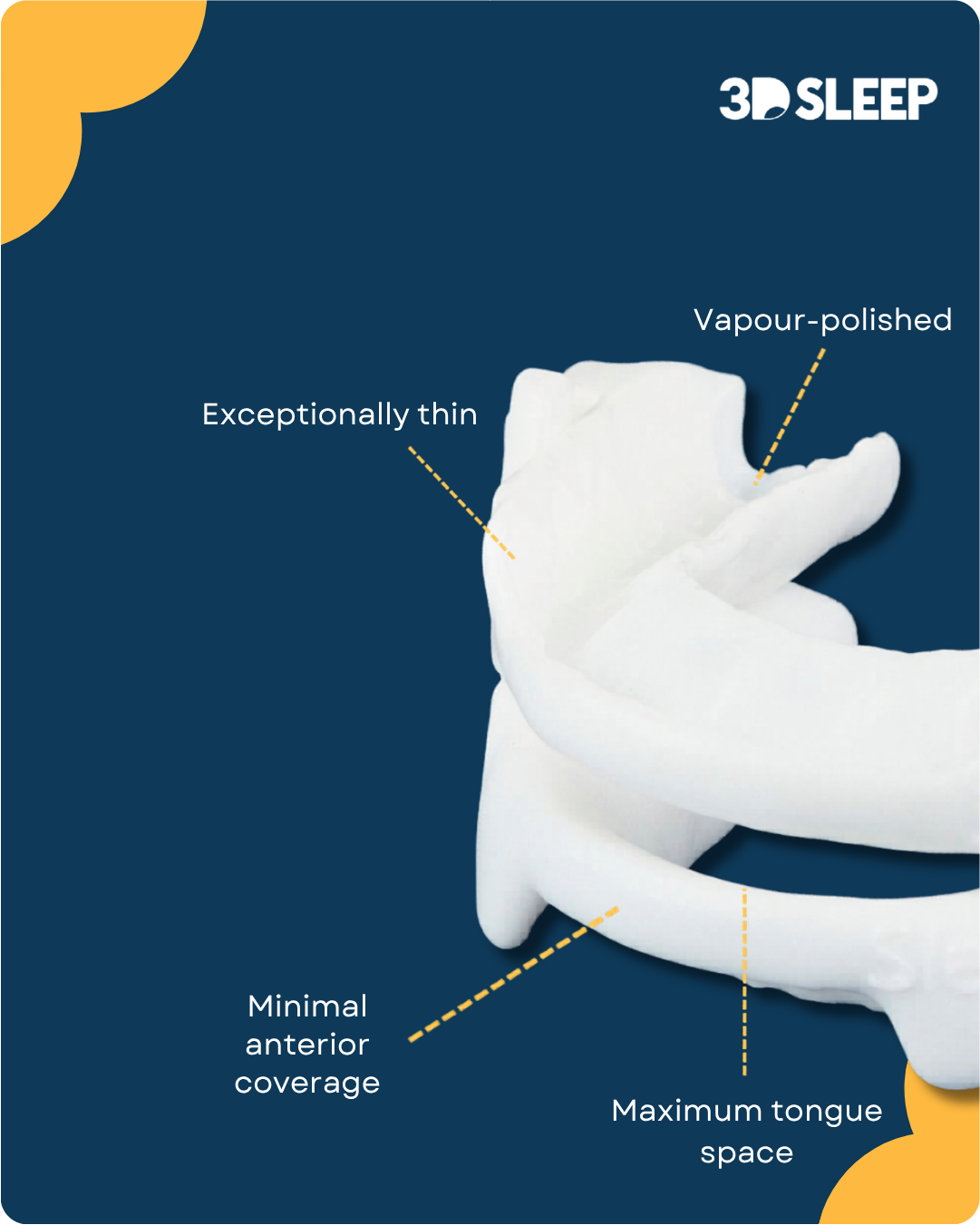
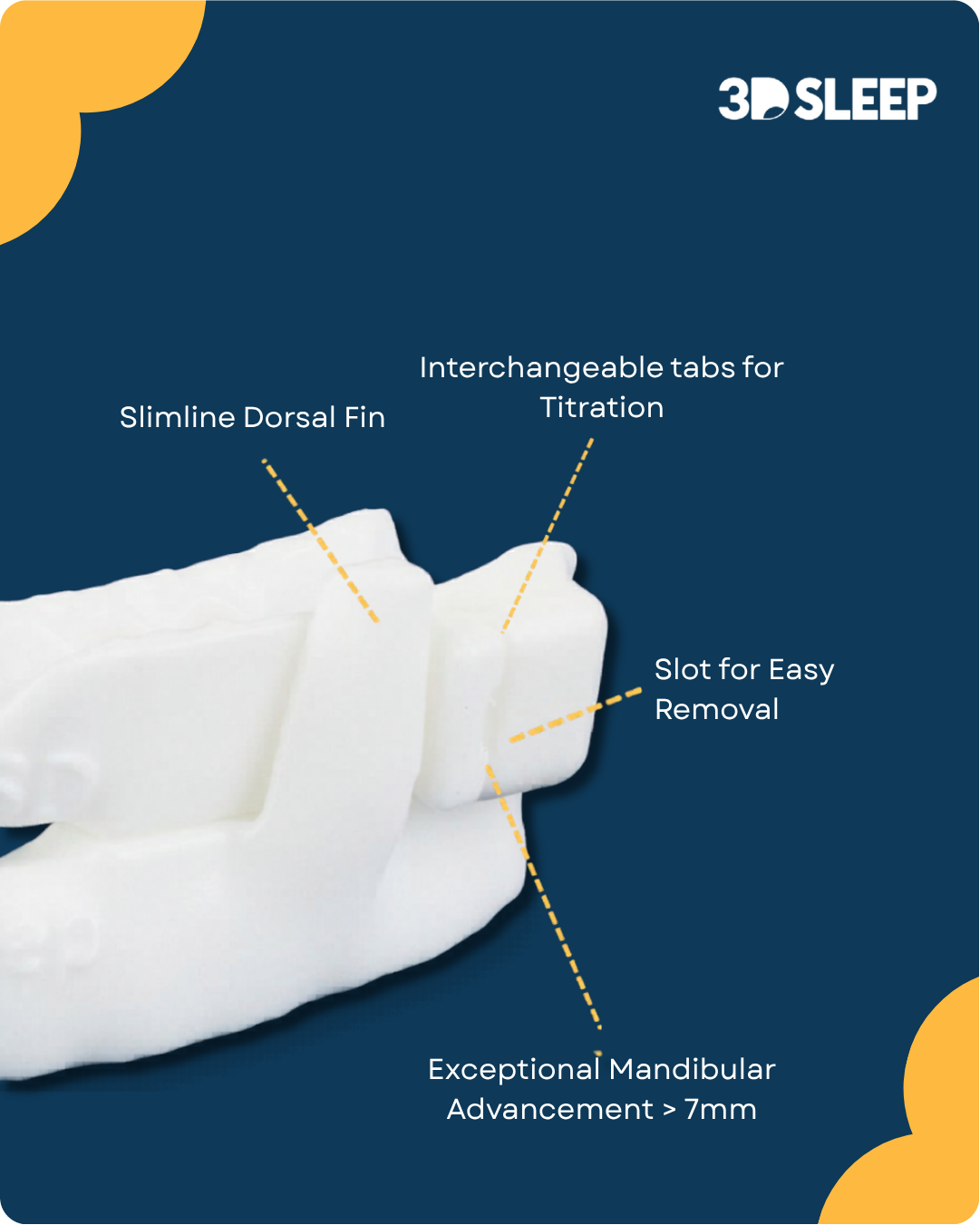
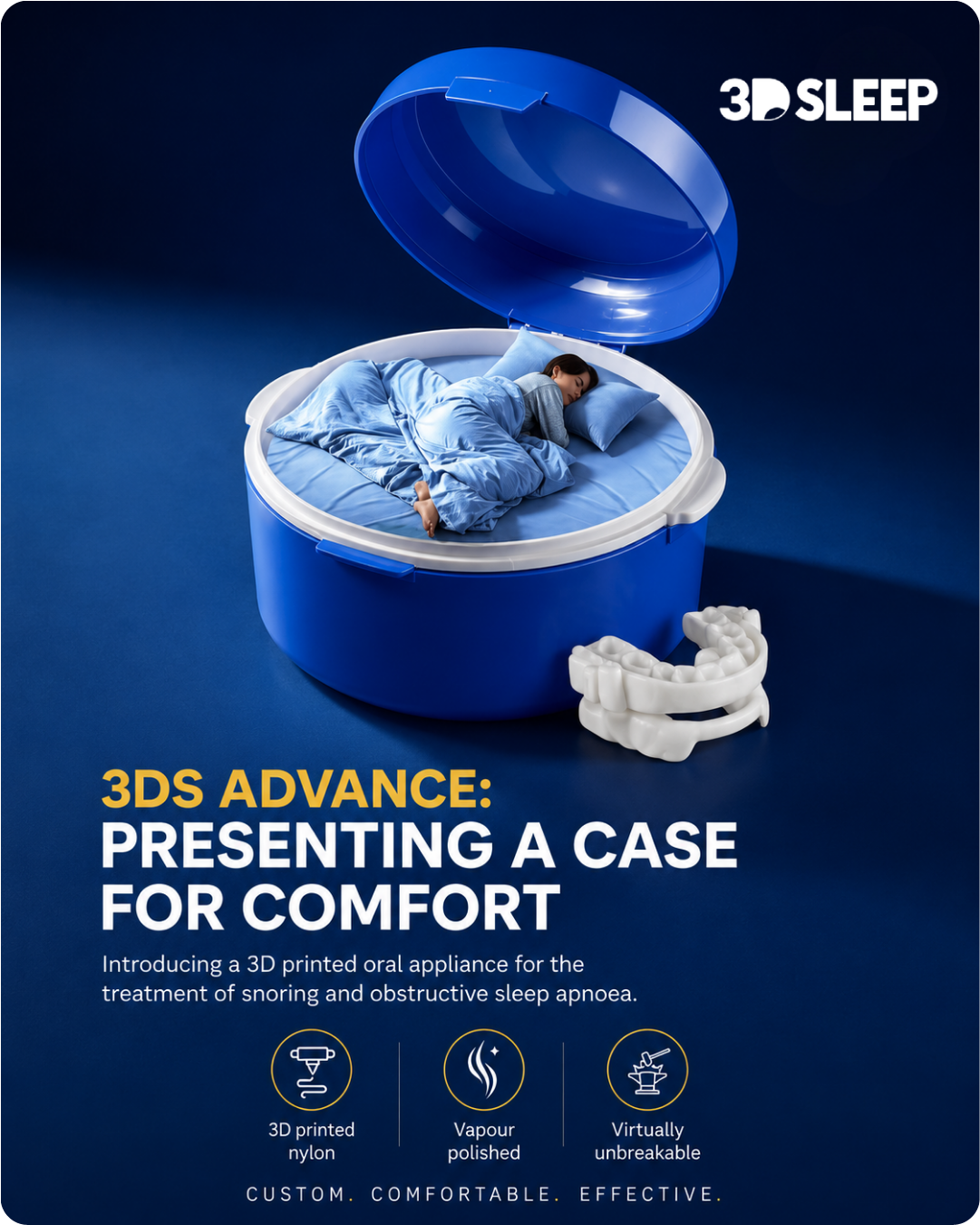
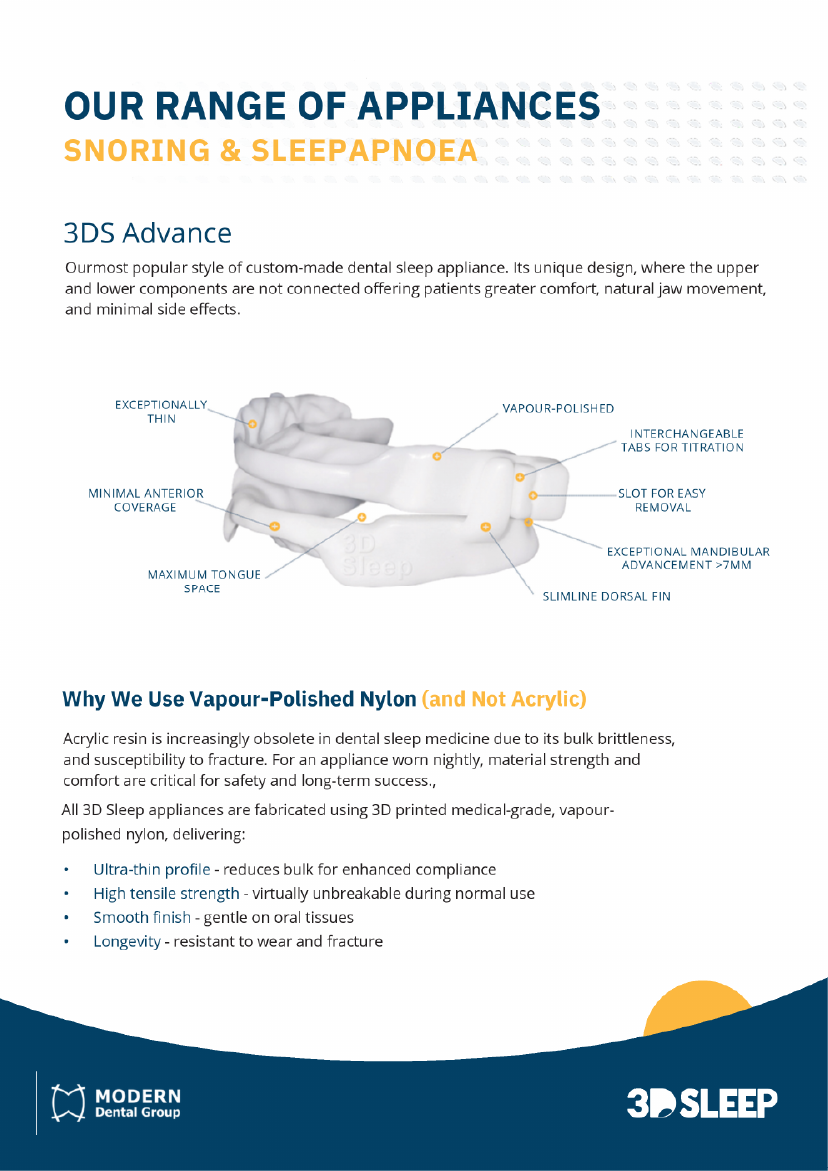
A custom-made mandibular advancement appliance designed for selected patients with snoring and obstructive sleep apnoea. Its upper and lower components are not connected, allowing the patient to open and close the mouth, speak, sip water and maintain more natural mandibular movement.
Digitally made
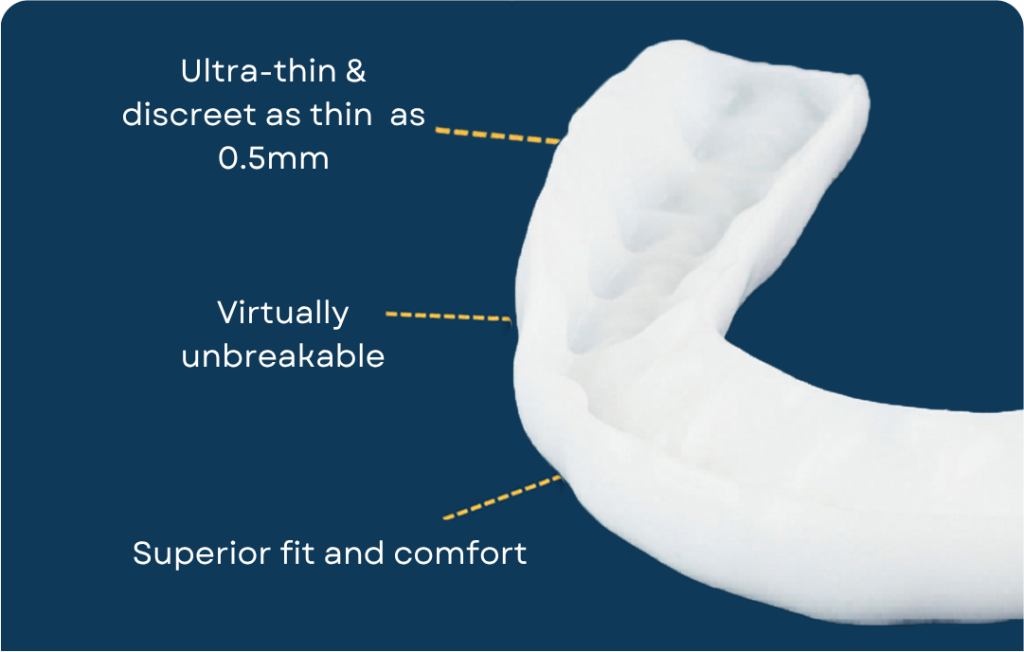
3D-printed, medical-grade vapour-polished nylon
Comfort-focused
Thin, lightweight and designed for long-term wear
Titration
Interchangeable tabs allow controlled advancement
Design features
Maximum tongue space, minimal anterior coverage and slim dorsal fins
- Exceptionally thin profile with a smooth vapour-polished finish.
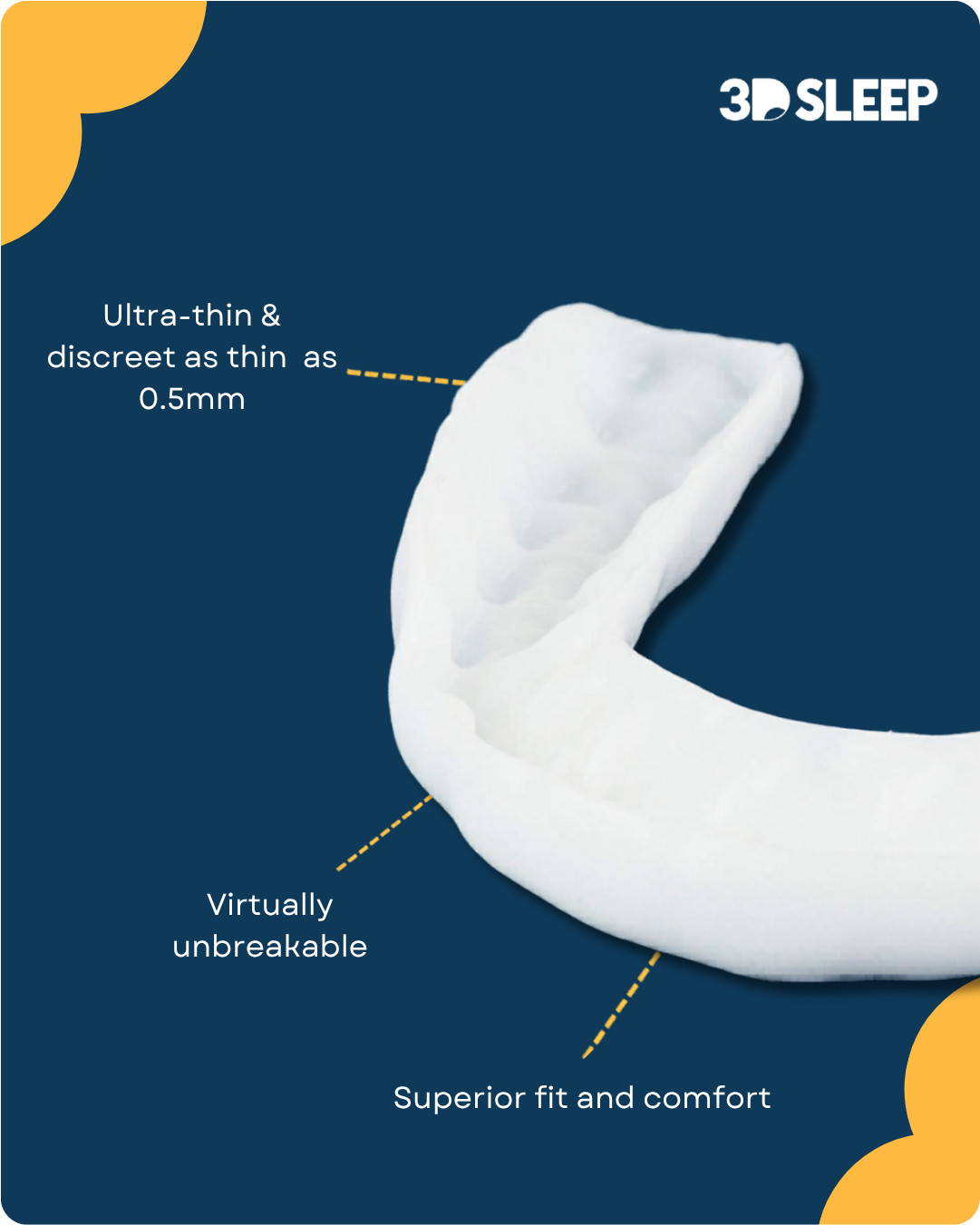
- Durable construction described by the manufacturer as virtually unbreakable during normal intraoral use.
- Product guide describes mandibular advancement capability beyond 7 mm; the clinically appropriate position must be selected and monitored by the treating clinician.
- Designed to support comfort, compliance and controlled titration.
Not a one-size-fits-all CPAP replacement. Suitability for oral appliance therapy depends on the diagnosis, OSA severity, anatomy, symptoms, medical assessment and individual patient factors.
3DS Protect
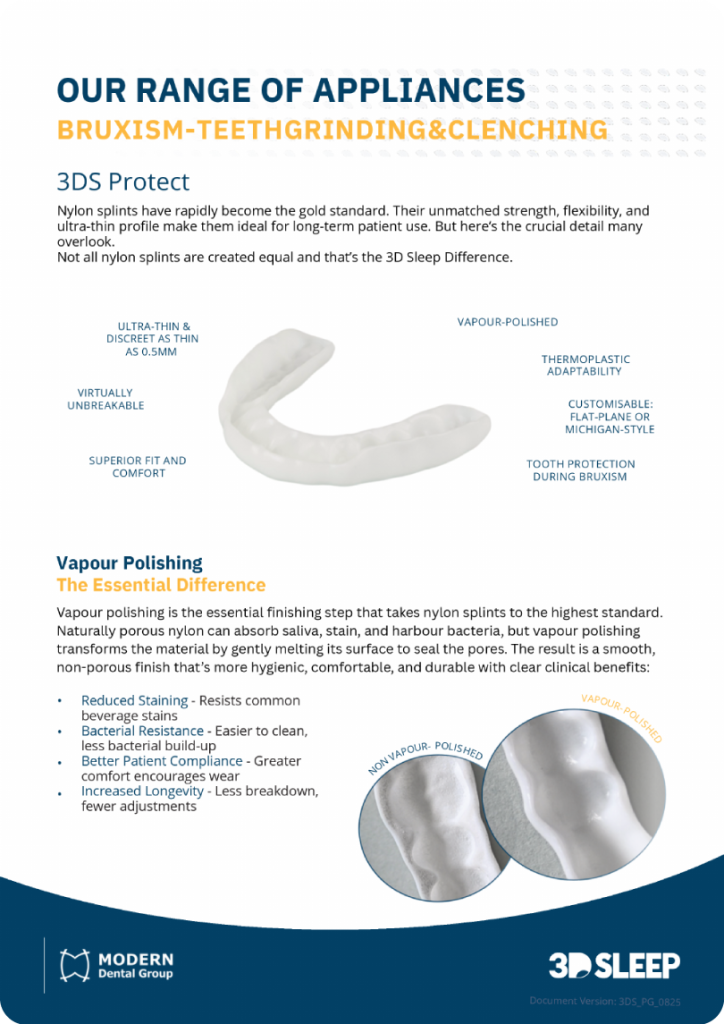
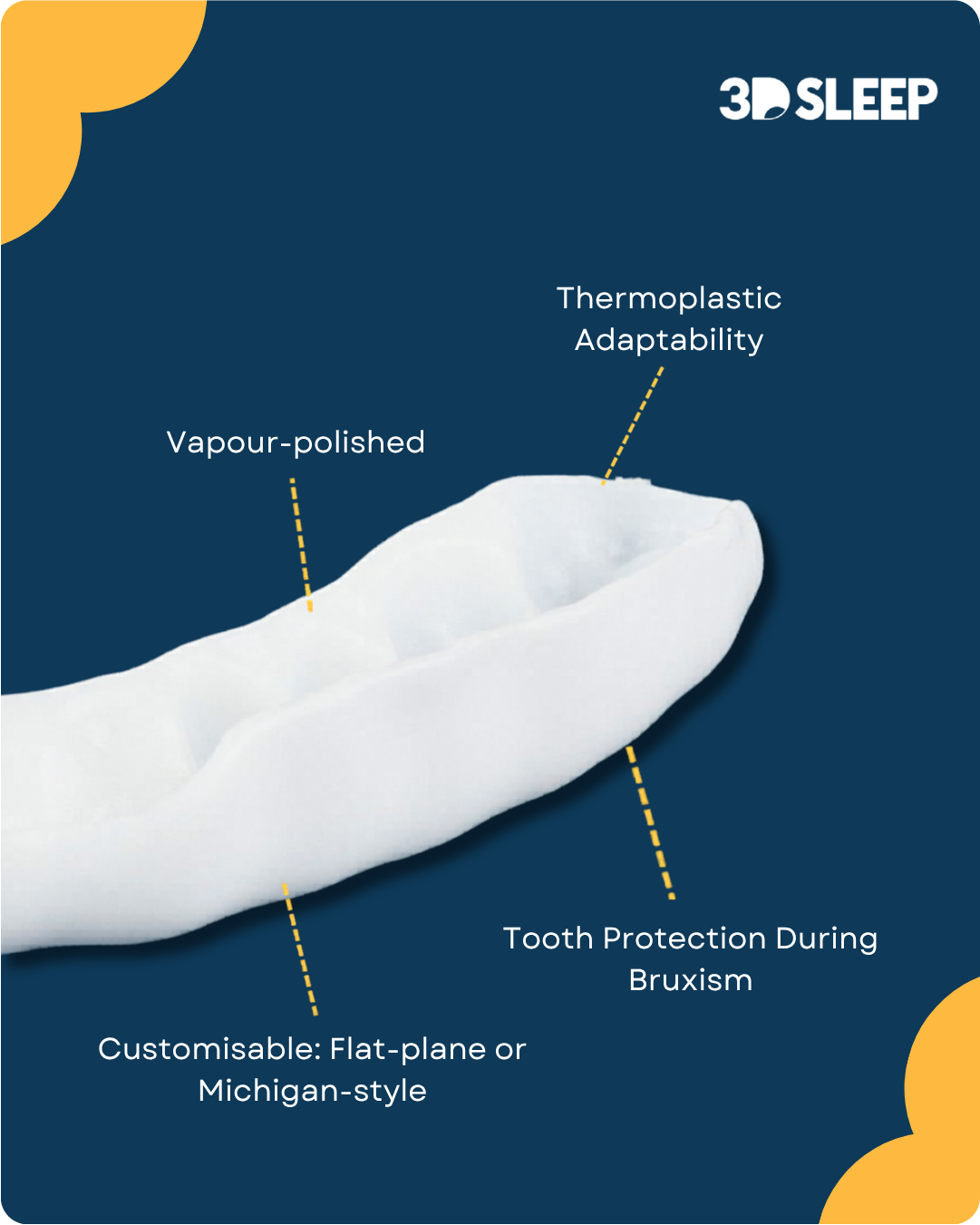
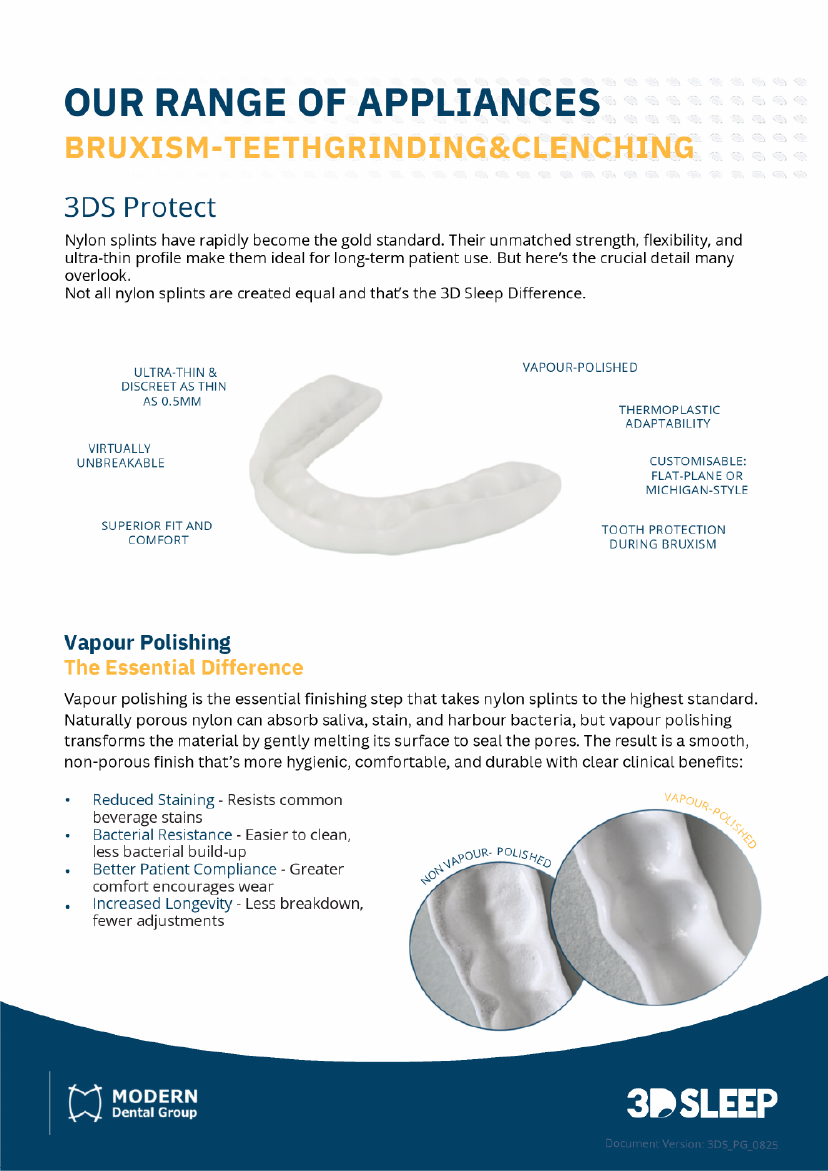
A digitally designed 3D-printed nylon occlusal splint for bruxism. It is intended to protect teeth and restorations while offering a low-profile alternative to bulky conventional acrylic splints.
Ultra-thin
As thin as approximately 0.5 mm in places
Customisable
Flat-plane or Michigan-style design
Thermoplastic adaptability
Designed for refined fit and comfort
Vapour-polished
Smooth, non-porous surface finish
- Lightweight, durable and digitally designed for precise fit.
- Vapour polishing is intended to seal surface pores and improve hygiene, stain resistance and cleaning.
- Designed to protect teeth during grinding and clenching.
- Significant sleep bruxism should prompt screening for sleep-disordered breathing rather than automatic night-guard treatment alone.
Designed for comfort, strength and long-term wear.
3D Sleep’s product guide emphasises medical-grade 3D-printed nylon rather than conventional acrylic because material strength, thinness, surface finish and comfort are important for nightly compliance.
Ultra-thin profile
Reduced bulk can improve comfort and make nightly use easier for selected patients.
High tensile strength
Designed to resist wear and fracture during normal use and support greater longevity.
Smooth surface
Vapour polishing creates a smoother, less porous finish that is easier to clean and gentler on oral tissues.
Reduced staining
The manufacturer describes improved resistance to common beverage staining after vapour polishing.
Hygiene-oriented finish
A smoother sealed surface is intended to reduce bacterial harbourage compared with untreated porous nylon.
Compliance-focused
Comfort is central: an appliance can only work when a patient can tolerate wearing it consistently.
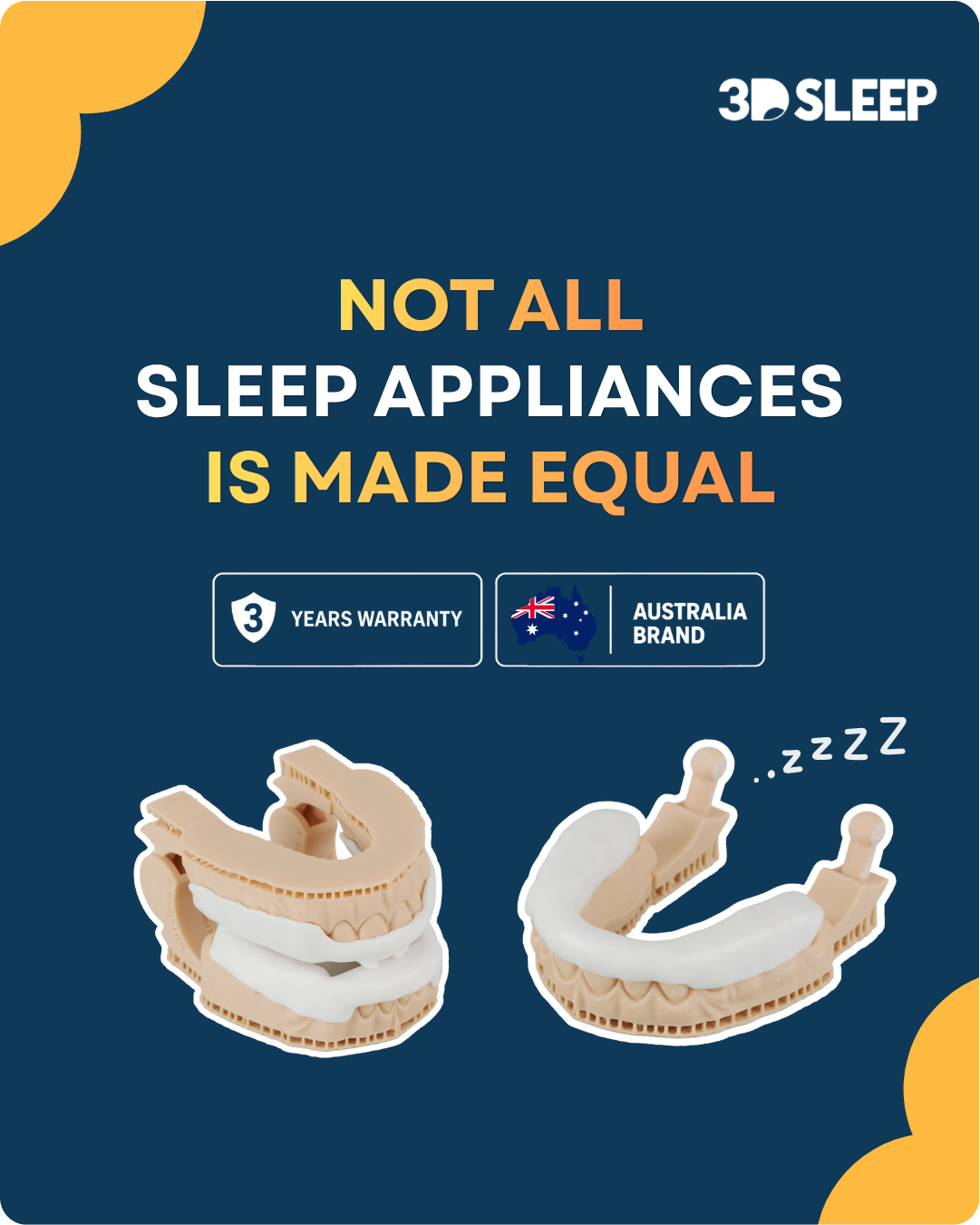
According to the supplied 3D Sleep brochure, its appliances are manufactured to ISO 13485 standards and are backed by a 3-year warranty against defects in materials and workmanship, subject to full warranty terms. Clinical outcomes vary and require qualified professional monitoring.
Digital workflow and bite registration.
This technical section can be retained on a professional/referrer page or hidden from the main patient navigation. It reflects the supplied 3D Sleep bite-registration guide.
3DS Protect — bite capture
Leaf gauge option: after digital scans of the upper and lower arches, the bite can be scanned directly without a physical bite material.
Dental gauze option: add gauze until the upper and lower teeth are no longer in contact and a posterior open bite is achieved; then scan/record the bite.
Guide note: a posterior open bite of approximately 1.5–2 mm may be used because the splint is normally issued to the upper arch only.
3DS Advance — protrusive bite
The guide references a George Gauge protocol for positioning and recording the mandibular advancement bite.
As a general starting recommendation, the manufacturer’s guide suggests approximately 50% of the patient’s maximum protrusion.
The final initial bite position is a clinical decision and should be selected by the treating doctor based on the individual case.
Consultants for the Imperial Sleep Centre project.
The programme is designed around clinical governance, standardised screening, appropriate medical referral and consistent digital appliance workflows.
Chief Consultant
Adjunct Professor Dato’ Dr How Kim Chuan
Clinical oversight for the multidisciplinary Sleep & Airway Centre framework, including integration with dental, orthodontic, occlusal and airway assessment pathways.
Dental Officer
Dr Lim Yi Theng
Dental officer for the project, supporting structured screening, patient assessment, digital records, oral-appliance workflow, fitting, titration and follow-up within the Centre’s clinical protocols.
What patients usually want to know.
These answers are intentionally careful and patient-facing. They avoid presenting oral appliance therapy as appropriate for every snorer or every patient with OSA.
Is snoring the same as obstructive sleep apnoea?
No. Snoring can occur without OSA. OSA involves repeated partial or complete airway obstruction during sleep. If symptoms or risk factors suggest OSA, further sleep testing and medical assessment may be needed.
Can a dentist diagnose sleep apnoea?
Dentists can identify signs, screen for risk and assess dental/airway factors, but a suspected OSA case should be managed within an appropriate medical–dental pathway. Formal diagnosis and disease severity should be established through appropriate sleep testing and medical interpretation.
What is oral appliance therapy?
It uses a custom-made dental appliance worn during sleep. A mandibular advancement appliance positions the lower jaw forward to help support upper-airway patency in appropriately selected patients.
Is an oral appliance a replacement for CPAP?
Not automatically. CPAP and oral appliances are two commonly used treatment options, but the best choice depends on diagnosis, OSA severity, anatomy, medical factors, treatment tolerance and clinician assessment.
What happens at my first Imperial Sleep & Airway visit?
Your visit may include a sleep-risk questionnaire, medical and dental history, examination of the teeth and occlusion, TMJ assessment, review of tooth wear/bruxism, intraoral records and discussion of whether sleep testing or medical referral is indicated.
What if I grind my teeth?
We assess the teeth, restorations, occlusion and jaw symptoms and consider whether sleep-related breathing risk also needs screening. If a protective splint is appropriate, 3DS Protect is one available digital option.
How is a 3DS Advance appliance adjusted?
The appliance is designed for titration. The mandibular position can be progressively adjusted using interchangeable tabs according to symptoms, comfort, clinical findings and, where appropriate, objective sleep-test results.
Will I need a follow-up sleep study?
For patients treated for OSA, objective follow-up testing after appliance titration may be recommended to assess treatment effectiveness, alongside symptom, dental, occlusal and TMJ review.
How durable are the 3D Sleep appliances?
The supplied manufacturer materials describe the vapour-polished nylon appliances as lightweight, durable and highly fracture-resistant. They also state a 3-year warranty against defects in materials and workmanship, subject to the manufacturer’s warranty terms.
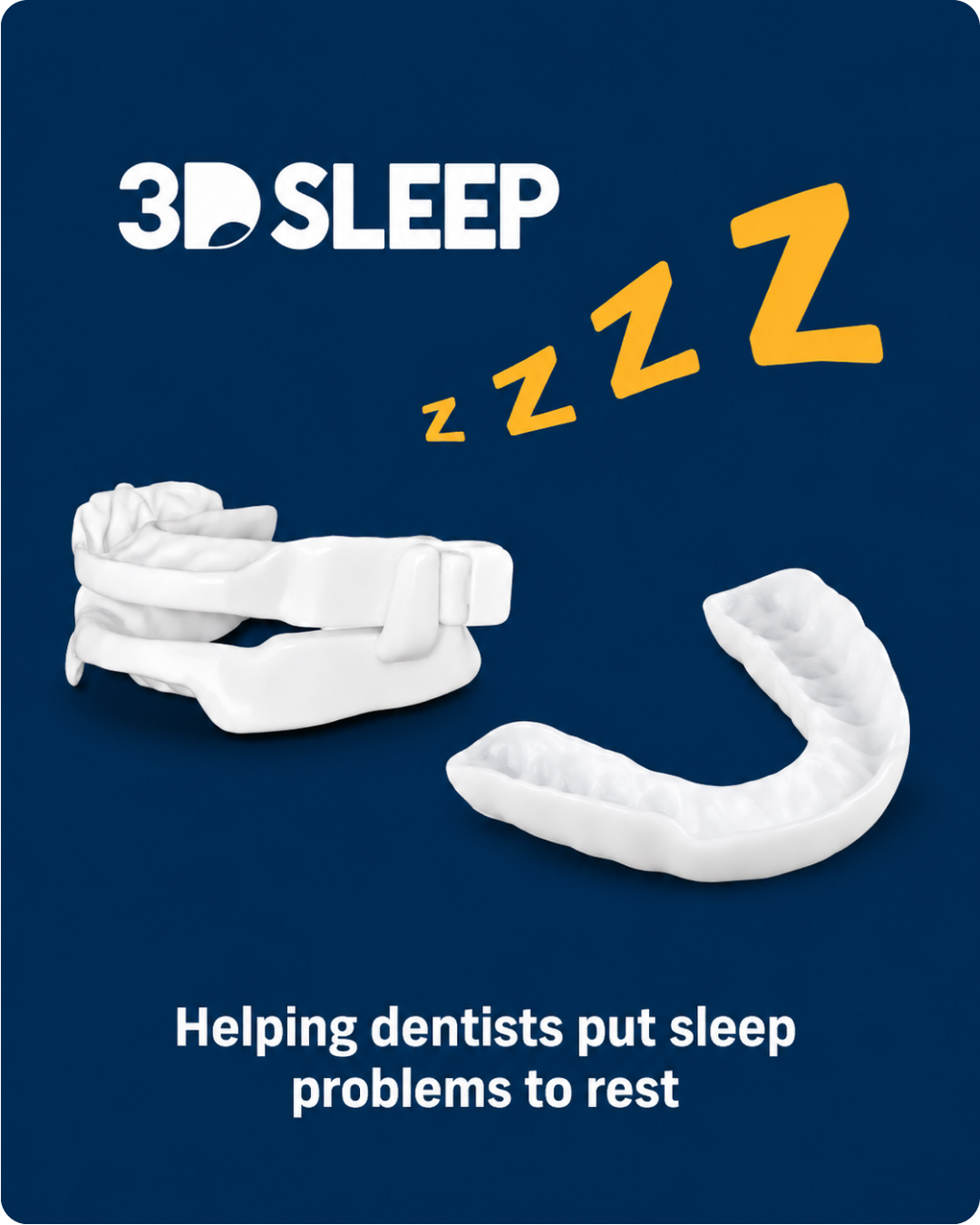
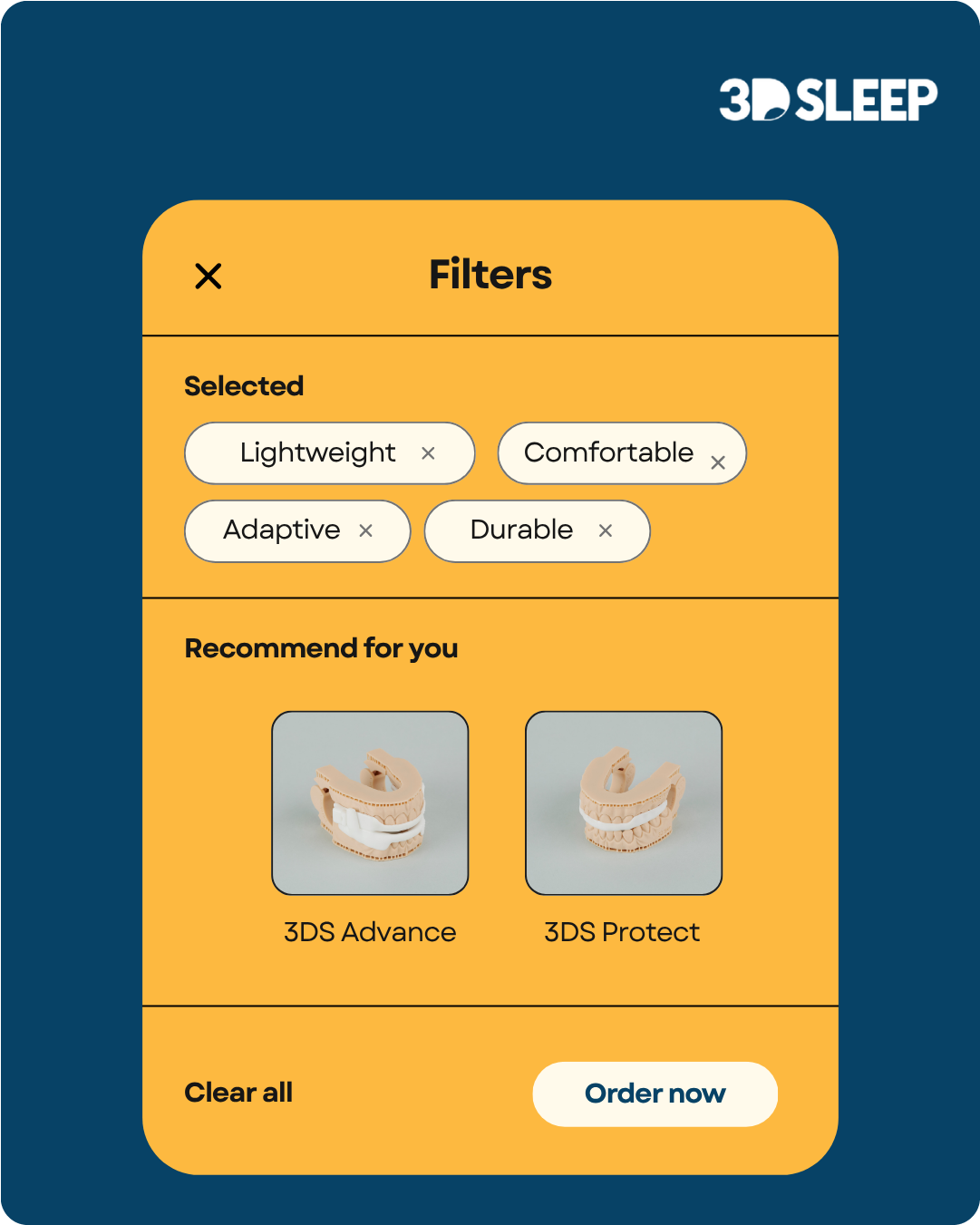
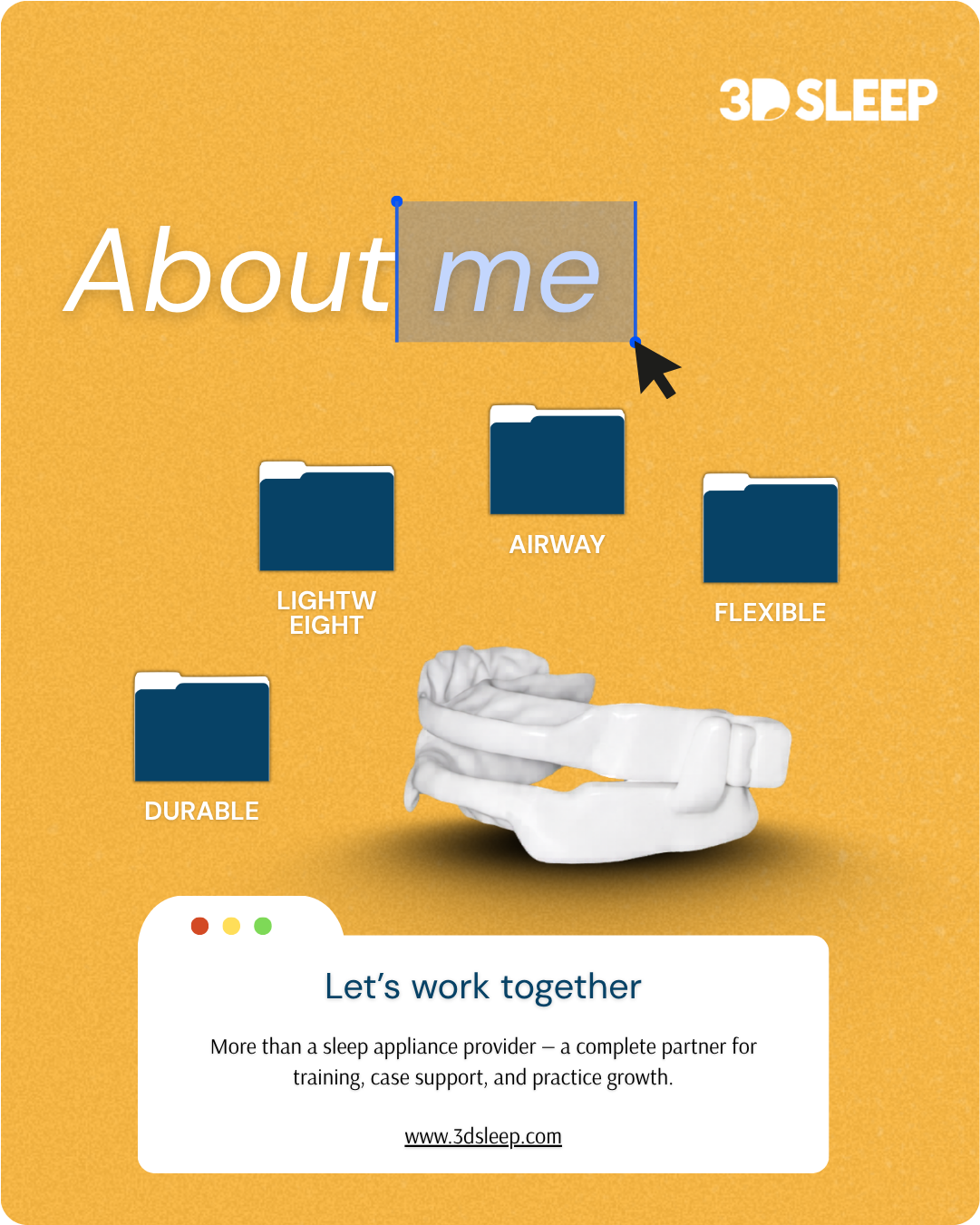
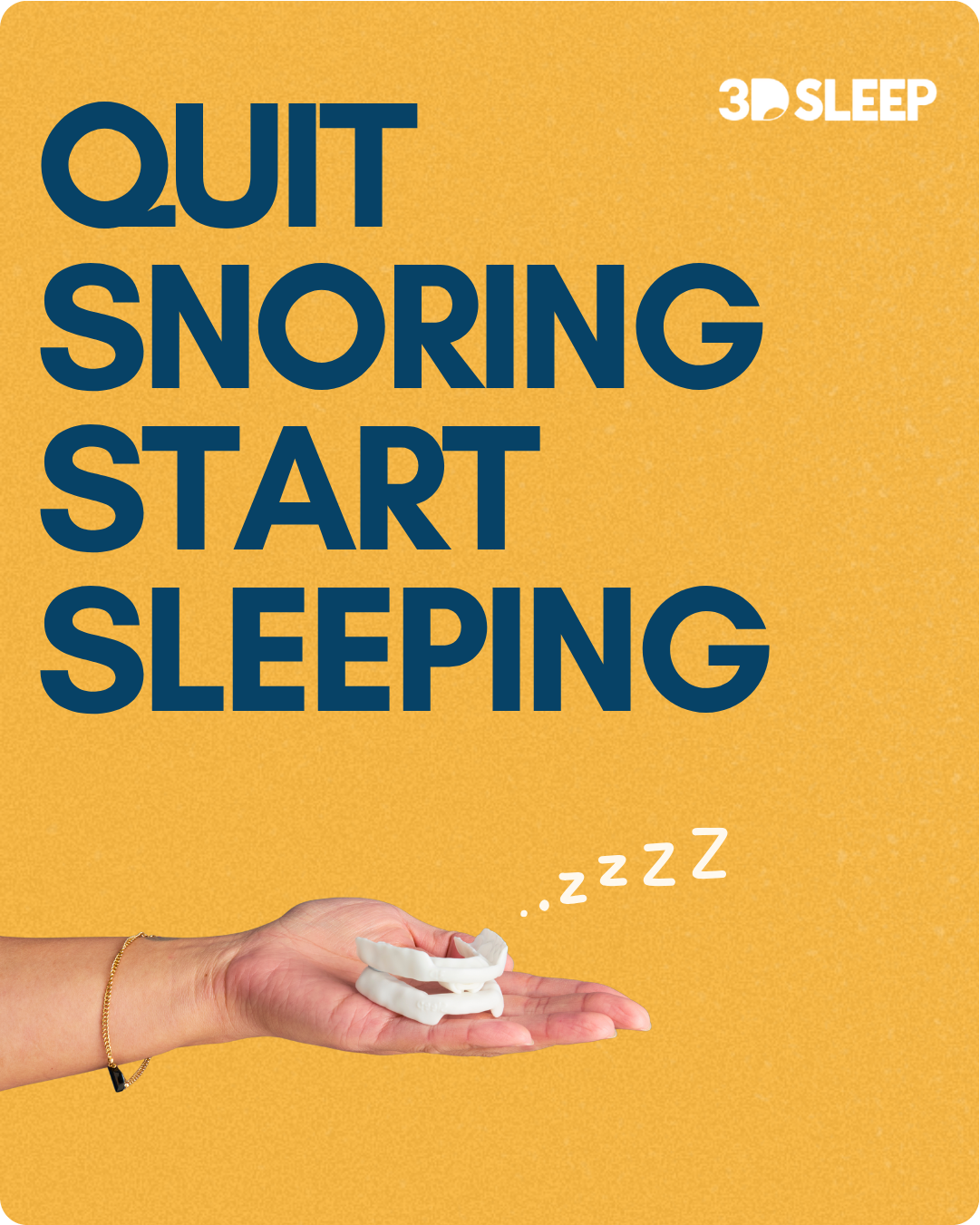
3D Sleep supplied media & product visuals.
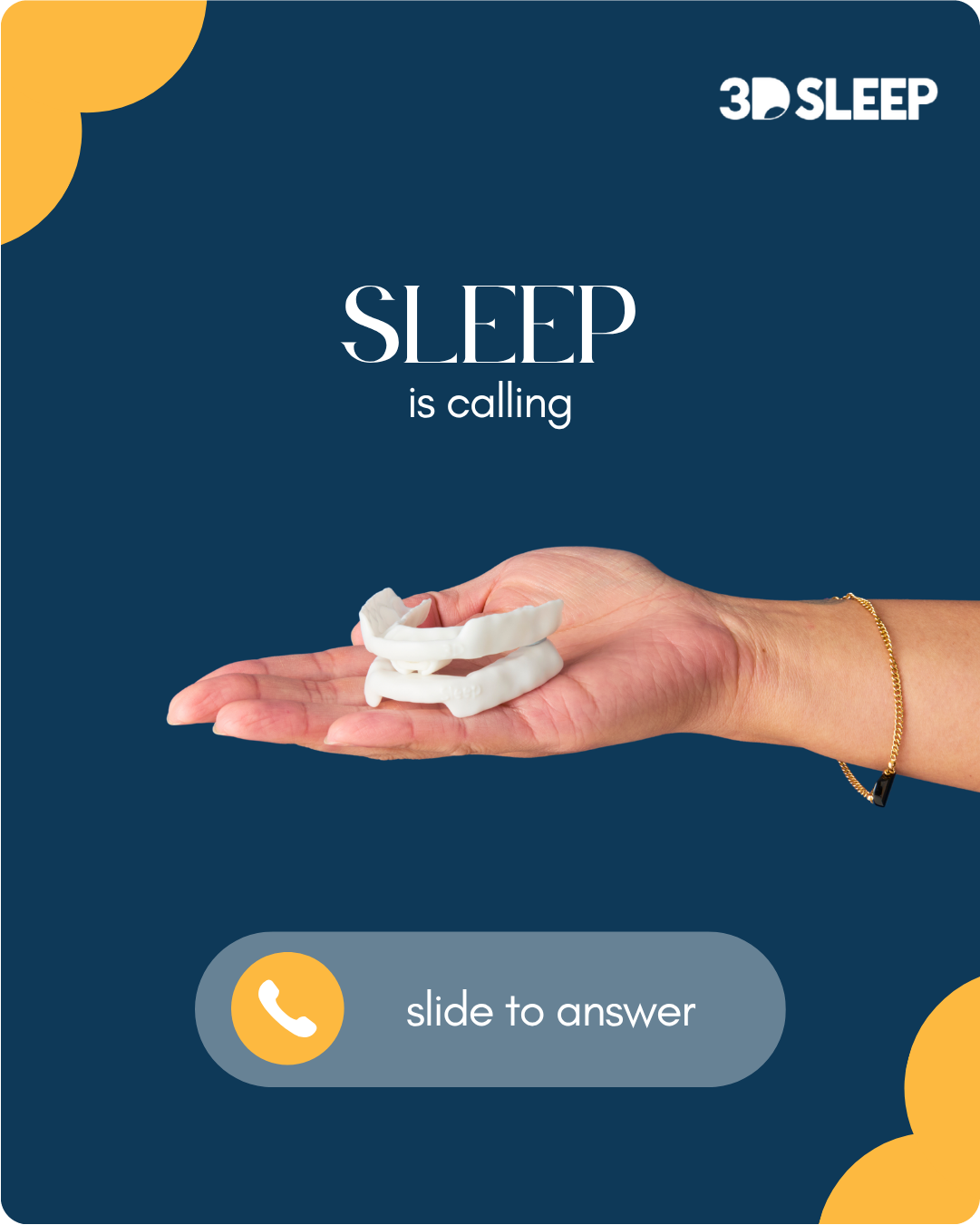
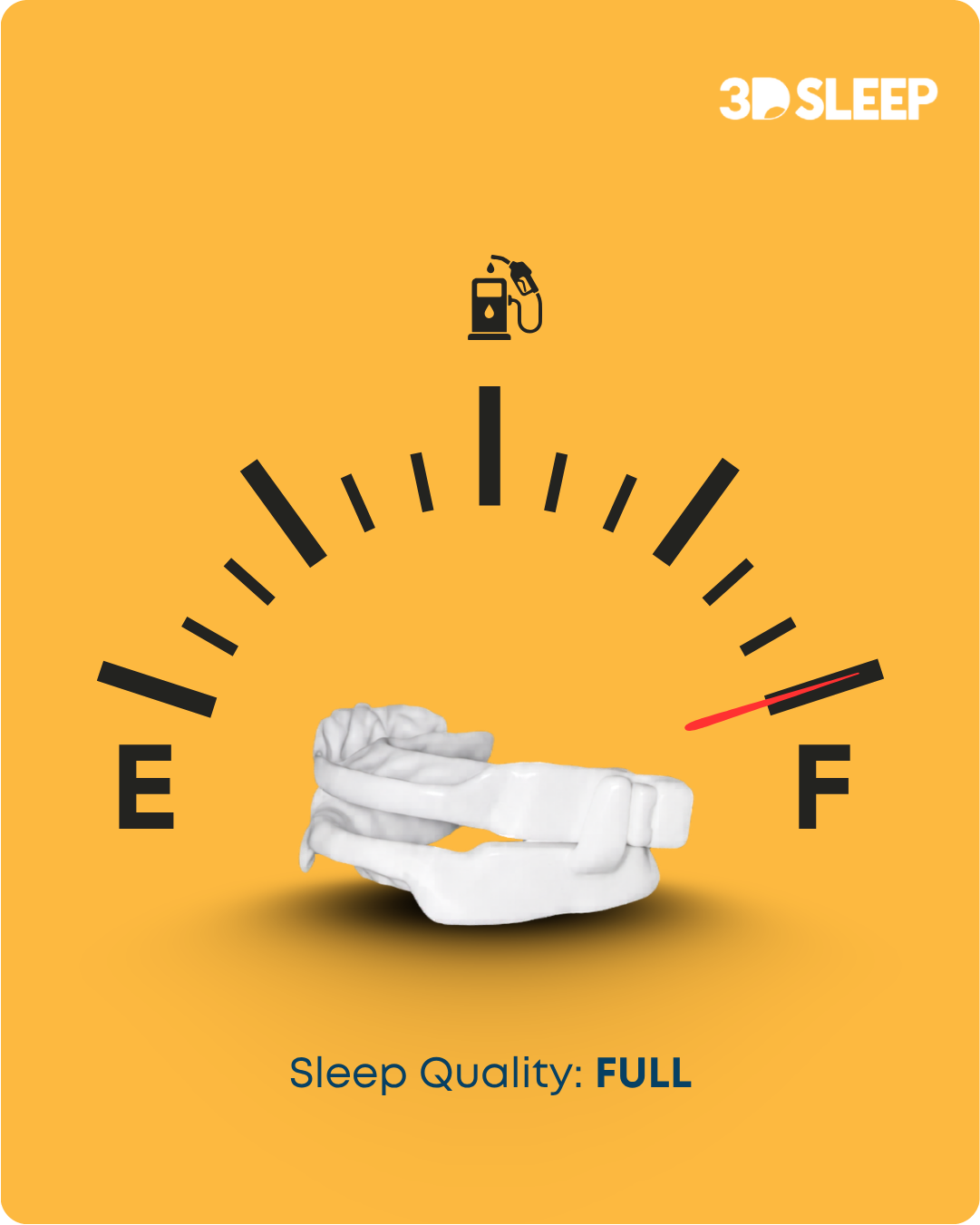
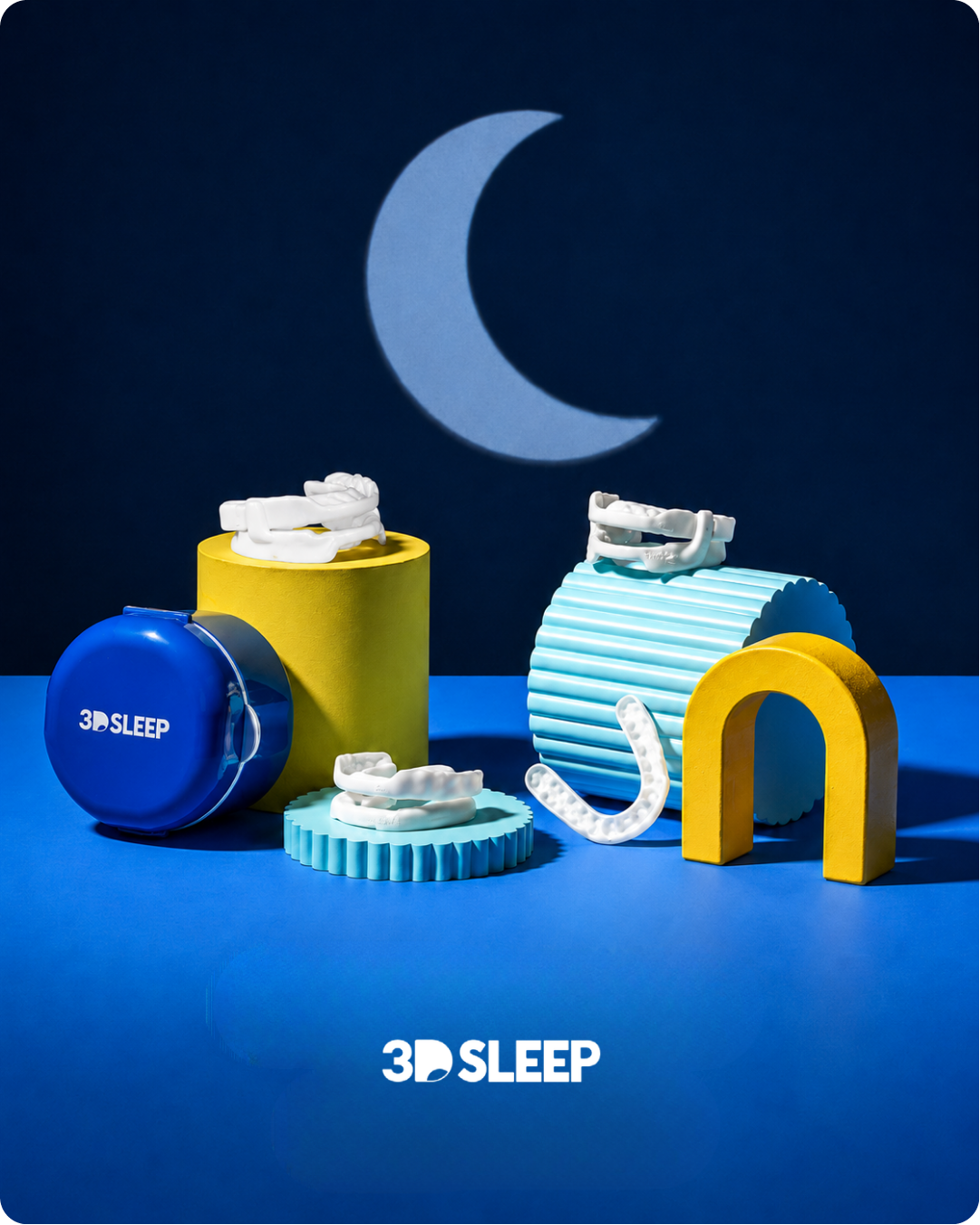
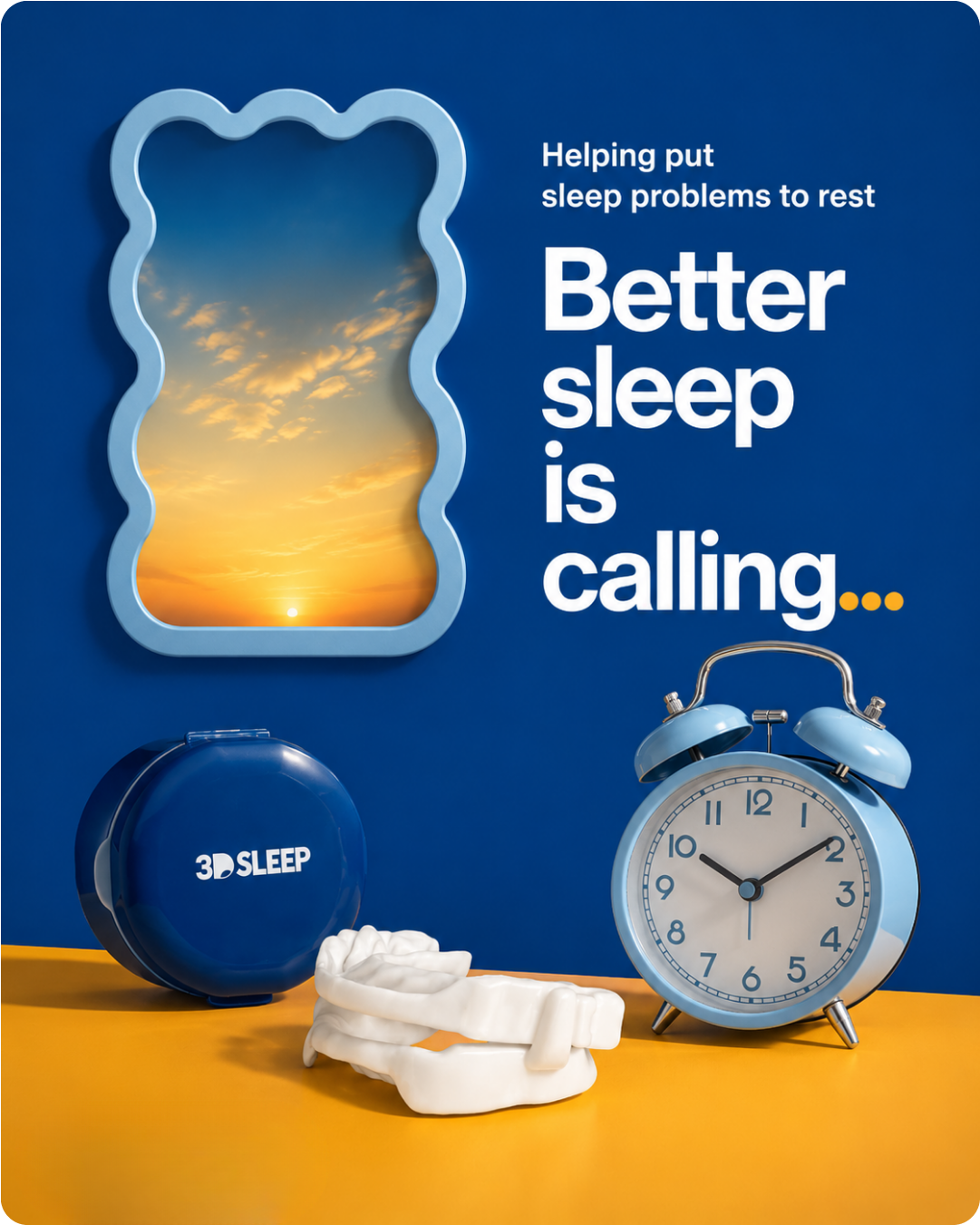
All visual assets supplied with the project files are included below for website planning and patient education. Images are lazy-loaded to reduce page-load impact.

Brochure & product-guide reference pages

Concerned about snoring, poor sleep, grinding or airway risk?
Book an Imperial Sleep & Airway Assessment. We will determine whether the next step is dental management, sleep testing, medical referral, oral appliance therapy or another multidisciplinary option.
Imperial Sleep & Airway Centre
A dental sleep medicine programme within Imperial Dental Specialist Centre.
Technology platform:
3D Sleep oral appliances and digital workflow.
Patient information on this page is educational and does not replace medical diagnosis. Clinical suitability, appliance selection, mandibular advancement, sleep-study requirements and referral decisions must be determined by appropriately qualified healthcare professionals. Manufacturer specifications and warranty statements are subject to the manufacturer’s current terms and local regulatory requirements. Before public launch, Imperial should confirm Malaysian device registration, professional responsibilities for sleep-study interpretation/diagnosis, and the final indications/contraindications used in clinic protocols.