


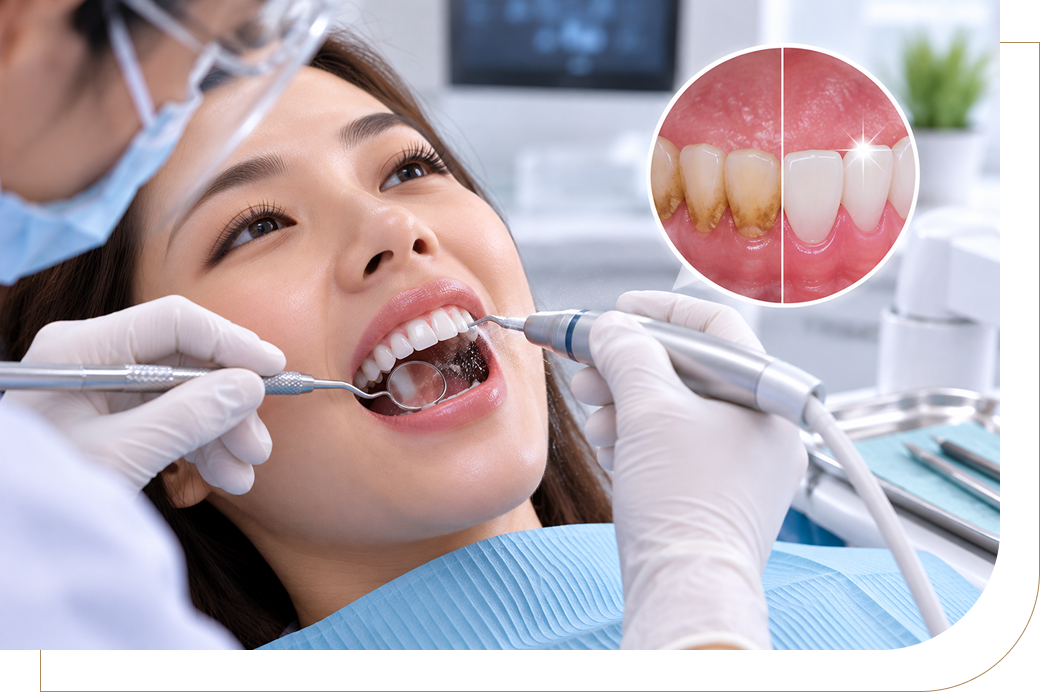
Scaling and Polishing
You may notice mild gum soreness, slight bleeding when brushing, or temporary sensitivity. Brush gently with a soft-bristled toothbrush, continue interdental cleaning as advised, and use desensitising toothpaste if recommended. Sensitivity usually improves gradually.
Tooth Filling
Your tooth may feel slightly sensitive for a few days. Avoid chewing on the treated side until numbness wears off, avoid very hard or sticky food immediately after, and contact us if the filling feels too high when biting.
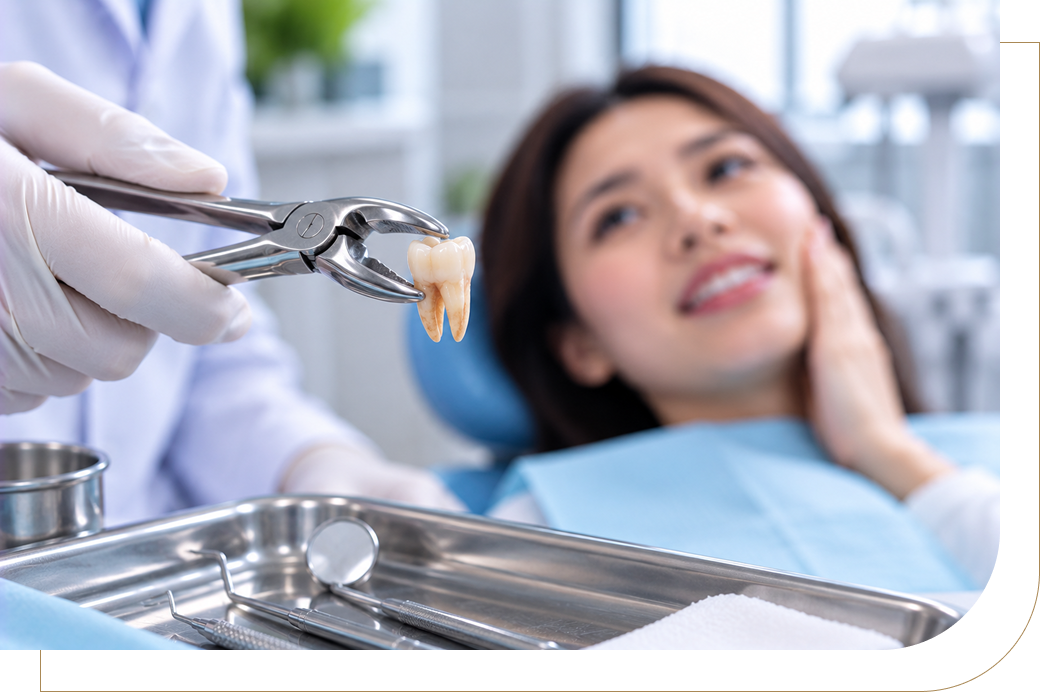
Tooth Extraction
Protect the blood clot at the extraction site. Bite firmly on the gauze as instructed; avoid rinsing vigorously, spitting forcefully, drinking through a straw, smoking, or touching the wound for the first 24 hours. Eat soft food and chew away from the site. If bleeding does not stop or pain worsens, contact us immediately.
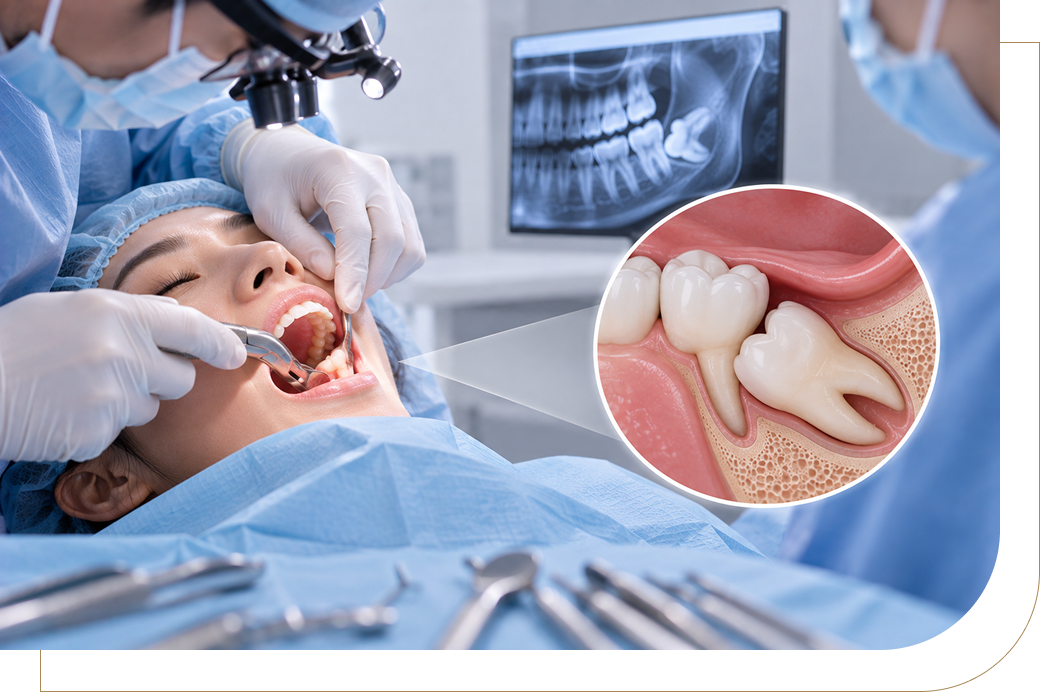
Wisdom Tooth Surgery
You may experience swelling, mild bruising, jaw stiffness, or soreness. Rest, apply a cold compress as advised, eat soft food, and avoid smoking and alcohol during early healing. Contact us urgently if you experience heavy bleeding, worsening swelling, fever, severe pain, pus discharge, or difficulty swallowing.
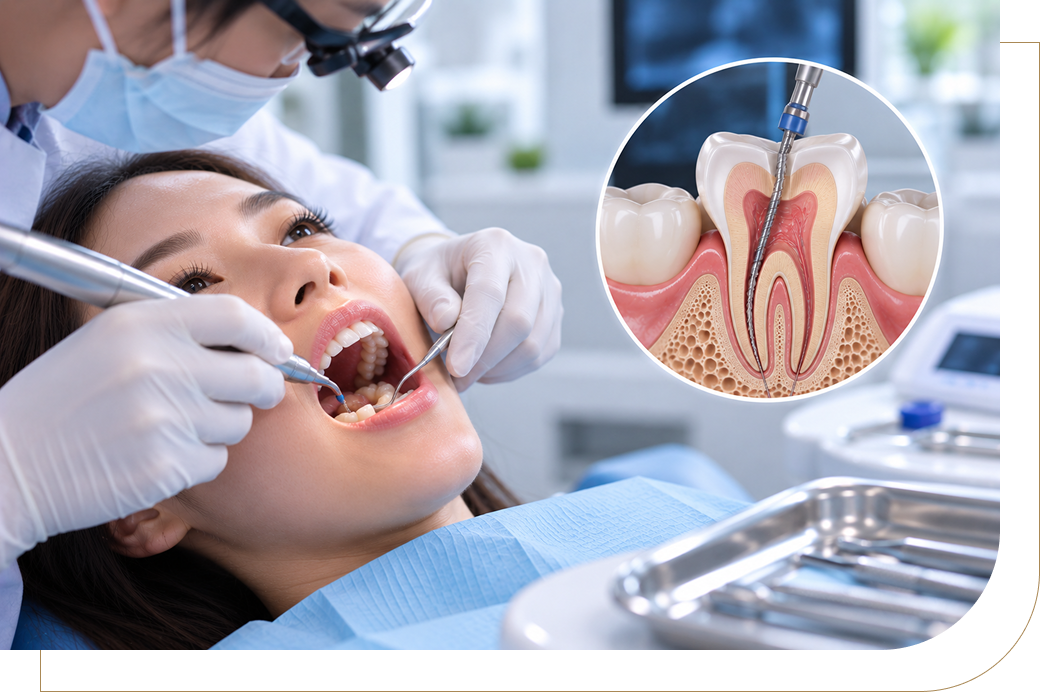
Root Canal Treatment
The treated tooth may feel tender for a few days, especially when biting. Avoid chewing hard food on the tooth until the final restoration is completed, and attend follow-up appointments. Your doctor may recommend a crown to protect the tooth.
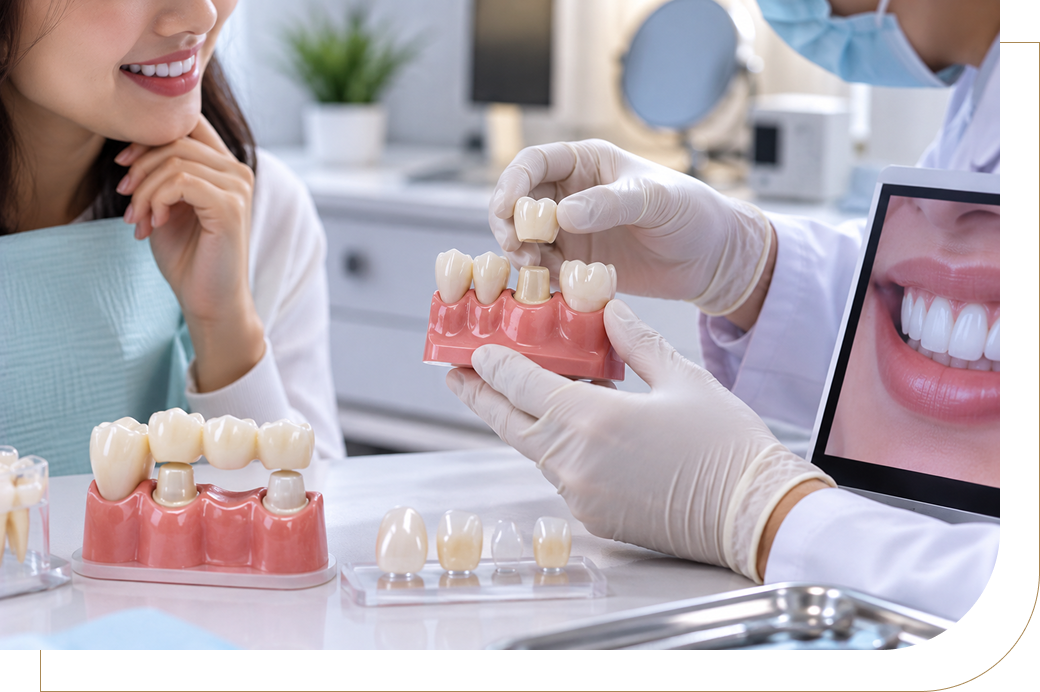
Crown, Bridge or Veneer Treatment
You may need time to adjust to the new shape and bite. Avoid biting hard objects, brush and floss carefully around the restoration, and contact us if the bite feels high or the restoration feels loose.
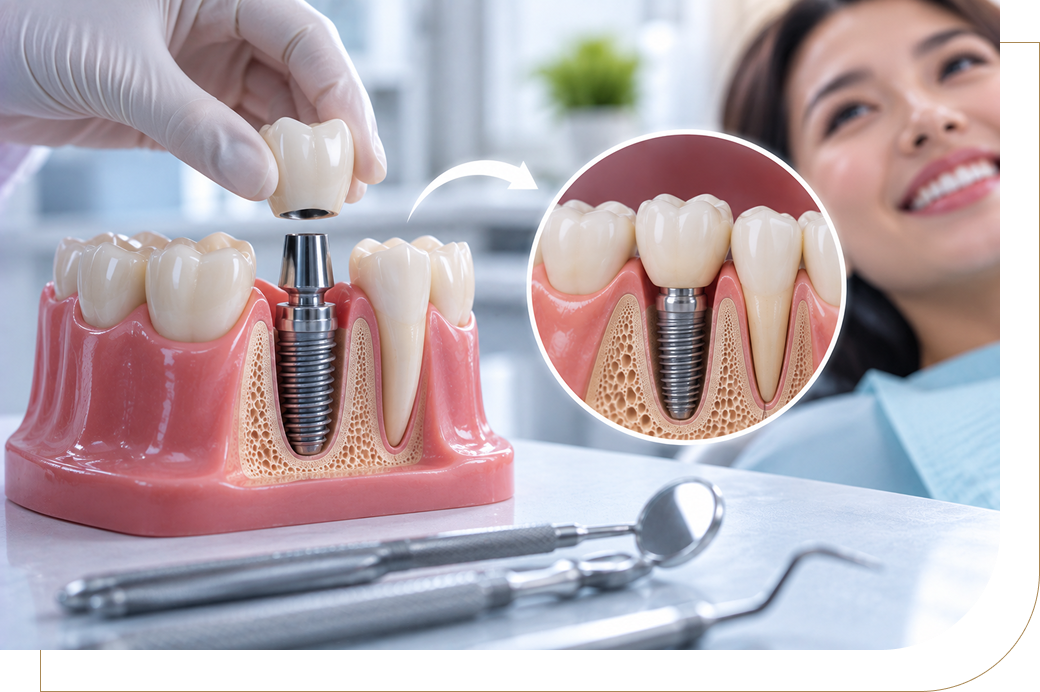
Dental Implant Treatment
You may experience mild swelling or soreness. Follow all medication instructions, avoid disturbing the implant site, avoid smoking, eat soft food during early healing, and attend all review appointments. Long-term cleaning and maintenance are essential.
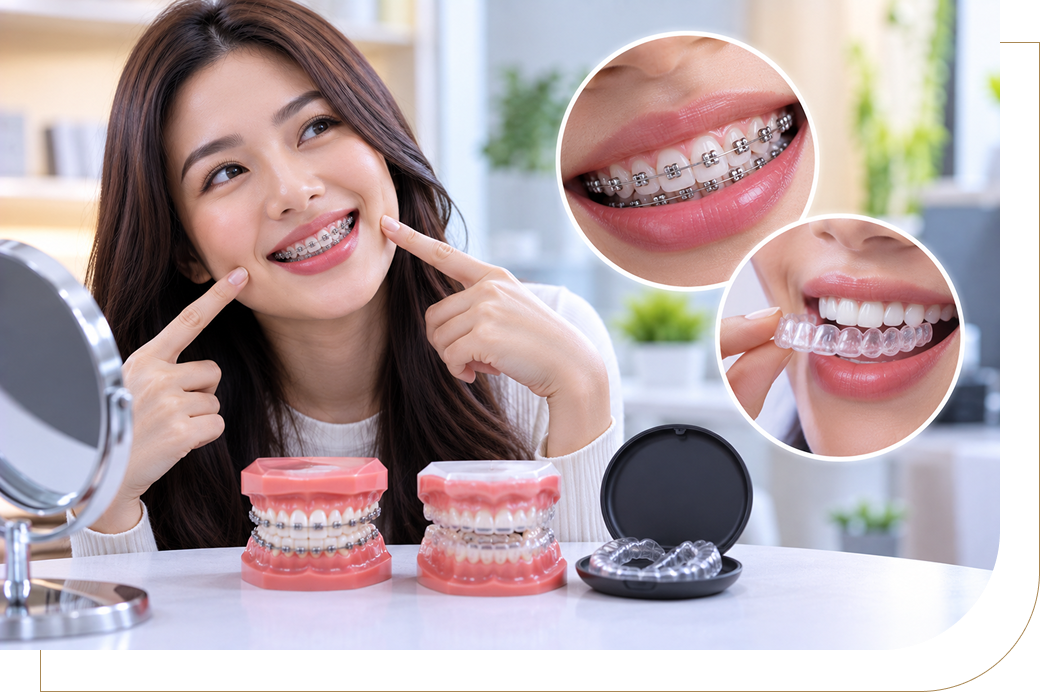
Braces / Clear Aligner Treatment
Mild soreness may occur after adjustments. Eat soft food if sore, avoid hard or sticky food, and clean carefully around brackets/wires or wear aligners as instructed. After treatment, retainers are required to maintain the result.
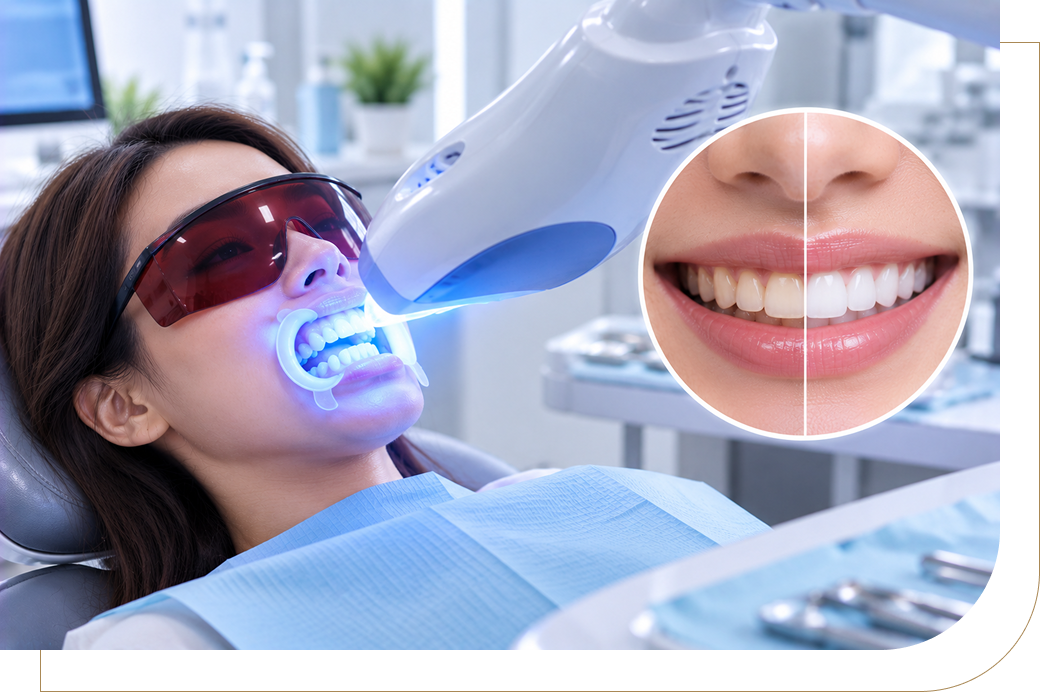
Teeth Whitening
Temporary sensitivity may occur. Avoid strongly coloured food and drinks for the period advised, avoid smoking, and use desensitising toothpaste if recommended. Results vary between patients.